
 Contact
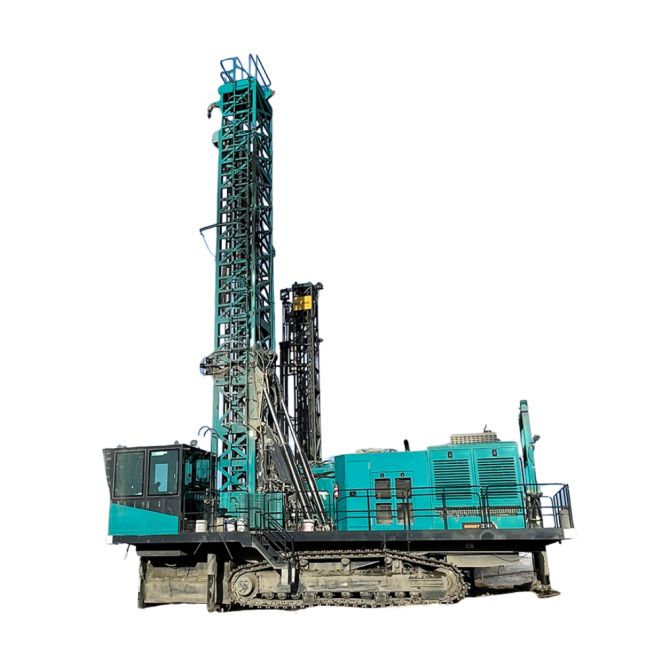
Drilling holes shouldn’t feel like digging for treasure with a plastic spoon, yet many rigs burn cash faster than they break ground, leaving your budget full of more holes than your actual project site.
Choose cost-effective drilling rigs, use durable accessories, and follow proven efficiency guidelines from industry research like this report from the U.S. Department of Energy: Manufacturing Energy and Carbon Footprints.
• 🛠️ Key Factors Affecting Cost Efficiency in Hole Drilling Rig Operations
Cost-effective hole drilling depends on smart rig selection, efficient drilling methods, and careful planning. Small gains in productivity and fuel savings can add up to major long-term benefits.
By matching rigs and accessories to ground conditions and job size, contractors reduce idle time, lower wear, and keep operating costs predictable and under control.
1. Matching Rig Capacity to Project Scale
Oversized rigs waste fuel, while undersized units slow drilling. Choose a rig whose torque, feed force, and hole depth closely fit your main project profiles.
- Check typical hole diameter and depth.
- Review average penetration rate requirements.
- Align power output with real field demand.
2. Optimizing Penetration Rate vs. Bit Life
Pushing rigs too hard may speed drilling but shortens bit life and raises costs. Balance thrust, rotation speed, and flushing to protect tools.
| Setting | Effect on Speed | Effect on Wear |
|---|---|---|
| High thrust | Faster | Higher wear |
| Moderate thrust | Stable | Balanced wear |
| Low thrust | Slower | Low wear |
3. Fuel Use and Idle Time Management
Unplanned idling burns fuel with no output. Use auto-idle, proper shift planning, and smart jobsite layout to minimize empty cycles and needless travel.
- Cluster holes to reduce repositioning.
- Use auto shutdown during long pauses.
- Monitor fuel use per drilled meter.
4. Accessory Quality and Compatibility
Using the right drill rods, bits, and lubricants for rig specs lowers breakage and extends component life, reducing unplanned downtime and stock costs.
- Follow OEM size and thread standards.
- Use wear-resistant bits for abrasive rock.
- Standardize accessories across projects.
• ⚙️ Choosing Rig Configurations That Reduce Fuel and Maintenance Expenses
Choosing the correct drilling rig configuration cuts fuel burn, extends service intervals, and keeps maintenance work simple and low cost across different projects and rock formations.
Focus on powertrain type, automation features, and cooling capacity so rigs work efficiently in both light and heavy-duty drilling without wasting energy.
1. Powertrain Choices and Fuel Efficiency
Modern engines with load-sensing hydraulics and smart controls reduce fuel per drilled meter while keeping torque and penetration stable in changing rock layers.
| Rig Type | Fuel Use (L/hour) | Fuel per 100 m |
|---|---|---|
| Conventional | 18 | 35 L |
| Efficient | 14 | 24 L |
2. Automation and Control Systems
Auto-drilling functions help operators keep ideal thrust and rotation. This reduces mistakes, limits shock loads, and lowers unplanned service visits.
- Automatic feed control.
- Overload protection alarms.
- Data logging for drilling parameters.
3. Cooling, Filtration, and Component Protection
Strong cooling and clean filtration protect engines and hydraulics from dust and heat, cutting breakdown risk and extending oil and filter life.
- High-capacity coolers for hot climates.
- Multi-stage air filtration.
- Scheduled filter inspections.
4. Data Analysis: Comparing Fuel and Service Costs
Tracking fuel use, drilling meters, and service time lets you compare rigs and choose the most cost-effective setup for your core drilling work.
• 🧩 Essential Accessories That Improve Drilling Speed and Lower Wear Costs
Correct accessories let your hole drilling rig cut faster while protecting components, lowering tool change time and total cost per drilled meter.
Choose bits, rods, and lubrication systems that match rock hardness and rig torque to gain quick, reliable performance on every hole pattern.
1. Drill Bits Matched to Rock Conditions
Using the correct bit design for soft, medium, or hard rock reduces regrind frequency and limits broken inserts during long drilling shifts.
- Button bits for hard, abrasive rock.
- Cross bits for fractured zones.
- Regular inspection and rotation.
2. High-Strength Rods and Couplings
Quality drill rods and couplings keep energy transfer high and reduce bending, thread damage, and risk of rod loss in deep holes.
| Rod Type | Strength | Best Use |
|---|---|---|
| Standard | Medium | Shallow holes |
| Alloy | High | Deep, hard rock |
3. Lubrication and Flushing Systems
Good lubrication and flushing take away cuttings and heat, reducing bit wear and keeping hole walls stable in varying ground conditions.
- Use correct water or air pressure.
- Add rock-appropriate additives.
- Check hoses and seals often.
• 📊 Practical Maintenance Strategies to Extend Rig and Accessory Service Life
Simple, organized maintenance can double the useful life of drilling rigs and accessories while cutting unplanned downtime and repair costs.
Stick to scheduled checks and track key wear indicators so you plan service before minor issues become major failures in the field.
1. Daily Checks and Operator Care
Train operators to inspect fluids, hoses, and visible wear points every shift. Quick checks prevent small leaks from becoming costly breakdowns.
- Walk-around visual inspection.
- Grease key pivots and joints.
- Report unusual noise or vibration.
2. Planned Service Intervals
Create clear service plans for engines, compressors, and hydraulic systems based on hours worked and environment, not just calendar time.
| Component | Interval (hours) | Task |
|---|---|---|
| Engine oil | 250 | Change oil and filter |
| Hydraulic oil | 2000 | Sample and change if needed |
| Air filters | 250 | Inspect/replace |
3. Monitoring Wear Parts and Stock
Track bit, rod, and seal consumption to build accurate stock levels. This keeps projects running without costly express deliveries or idle rigs.
- Use simple wear logs.
- Set minimum stock levels.
- Review monthly usage trends.
• ⭐ Why Sunward Provides Reliable, Cost-Effective Hole Drilling Rigs and Accessories
Sunward designs hole drilling rigs and accessories that focus on fuel savings, strong components, and user-friendly controls for demanding construction and mining projects.
With complete solutions from surface drilling rigs to down-the-hole systems, Sunward helps contractors balance performance, safety, and lifetime cost.
1. Integrated Product Line for Different Jobs
Sunward offers rigs and tools for varied tasks, from urban foundation drilling to large open-pit blasting, all based on proven, field-tested designs.
- SWDRT270E for flexible rotary drilling.
- SWDE138S for efficient surface drilling.
- SWDB165B for strong down-the-hole work.
2. Focus on Low Operating Costs
High fuel efficiency, durable structures, and easy-access service points help Sunward rigs stay productive longer with fewer interruptions and lower lifetime costs.
| Feature | Benefit |
|---|---|
| Efficient engines | Lower fuel per meter |
| Robust frames | Longer service life |
| Simple layout | Faster maintenance |
3. Technical Support and Training
Sunward backs its rigs with training, manuals, and support so operators and mechanics keep machines running at peak performance every day.
- Operator training programs.
- Maintenance guidance and parts support.
- Advice on optimal drilling parameters.
Conclusion
Cost-effective hole drilling requires more than buying a strong rig. You must balance rig size, fuel use, and accessory quality to fit your real work conditions.
By using efficient configurations, planned maintenance, and the right tools, supported by reliable suppliers like Sunward, you lower costs per meter and improve long-term project profits.
Frequently Asked Questions about hole drilling rig
1. How do I choose the right hole drilling rig size?
Match rig capacity to your usual hole diameter, depth, and rock type. Avoid oversized units that waste fuel and undersized units that slow productivity.
2. What affects fuel consumption the most?
Key factors are engine efficiency, drilling parameters, idle time, and jobsite layout. Keeping rigs near work areas and using auto-idle greatly reduces fuel waste.
3. How often should I replace drill bits and rods?
Replace bits and rods based on visible wear, slower penetration rate, and thread damage. Track meters drilled per tool to set realistic replacement cycles.
4. Are OEM accessories really necessary?
OEM or fully compatible accessories protect your rig from misfit threads and poor material quality, reducing breakage, downtime, and long-term ownership costs.
5. How can data help lower drilling costs?
By tracking fuel, meters drilled, and wear part use per rig, you can compare setups, improve settings, and choose the most efficient rigs for each project.
 Facebook
 LinkedIn
 Instagram
 YouTube
 Submit here
 Privacy settings