
 Contact
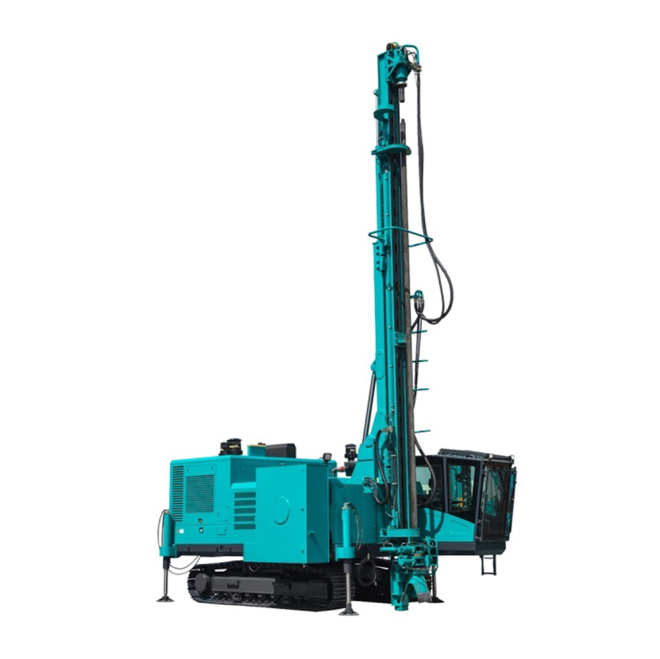
Tired of arguing with coworkers about which drill sounds cooler while nothing actually gets drilled? Let’s settle the hydraulic vs pneumatic showdown without another coffee-fueled “engineering debate” that ends in memes instead of progress.
Define your job’s pressure, power, and safety needs, then pick the drill that fits real data, not workshop legends—this OSHA report helps you match tool performance to safe, efficient operation.
🔧 Operating Principles: How Hydraulic and Pneumatic Drills Transmit Power
Hydraulic drills use pressurized oil to deliver strong, steady force to the drill bit. Pneumatic drills use compressed air, offering lighter tools and faster response for many mining tasks.
This comparative guide helps you match drill types to rock hardness, depth, and mobility needs while improving safety, productivity, and long-term operating costs in real mining projects.
1. Hydraulic Power Transmission Basics
Hydraulic systems move oil under high pressure from a pump to the drill motor. This fluid creates smooth, controllable torque.
- High power density in compact tools
- Stable force for deep or hard rock drilling
- Good control for directional accuracy
2. Pneumatic Power Transmission Basics
Pneumatic drills use compressed air from a surface or onboard compressor. The air drives pistons or rotary motors to turn and impact the bit.
- Lighter equipment and simple layout
- Fast start and stop response
- Safe in explosive gas zones
3. Key Components Compared
Hydraulic drills rely on pumps, valves, and hoses. Pneumatic drills rely on compressors, air lines, and lubrication systems.
| Aspect | Hydraulic | Pneumatic |
|---|---|---|
| Medium | Oil | Compressed air |
| Control | Fine, smooth | Fast, less precise |
| Leak Risk | Oil spills | Air only |
4. Typical Operating Pressures
Hydraulic systems run at much higher pressures than air systems, which directly affects torque, penetration rate, and tool size.
| System | Common Pressure Range |
|---|---|
| Hydraulic | 140–350 bar |
| Pneumatic | 6–25 bar |
⚙️ Torque, Speed, and Precision Differences in Hydraulic vs Pneumatic Systems
Hydraulic drills deliver higher torque at low speed, ideal for hard rock. Pneumatic drills provide high-speed blows, handy for shallow holes and softer formations.
Choosing the right system improves penetration rate, hole straightness, bit wear, and fuel use across surface and underground mines.
1. Torque Output
Hydraulic drills reach higher torque at lower speeds, giving stronger bite into hard rock and reducing bit stalling during deep hole drilling.
- Better for large-diameter blast holes
- More stable penetration in fractured rock
2. Rotational Speed
Pneumatic drills usually spin faster, which suits smaller holes and softer ground but can increase bit wear in abrasive rock.
| Type | Typical Speed Range |
|---|---|
| Hydraulic | 60–200 rpm |
| Pneumatic | 150–400 rpm |
3. Hole Precision and Deviation Control
Hydraulic systems offer smoother torque control, leading to straighter holes, better burden control, and fewer collar failures in production drilling.
- Useful in long-hole stoping
- Improves blasting results
4. Matching System to Rock Conditions
Mines often mix both systems: hydraulic rigs for deep production and pneumatic tools for quick support, scaling, or development work.
- Hydraulic: hard, deep, or large-diameter holes
- Pneumatic: short, frequent, or mobile tasks
🌍 Energy Efficiency, Noise Levels, and Environmental Impact Comparison
Hydraulic drills often use energy more efficiently and reduce noise, while pneumatic drills offer safer operation but may waste more power as heat and exhaust.
Both systems can meet modern environmental rules when operators manage leaks, air quality, and noise with proper controls and maintenance plans.
1. Energy Use and Fuel Consumption
Hydraulic systems usually convert engine power to drilling work more directly, lowering fuel per meter drilled in many hard rock settings.
| Aspect | Hydraulic | Pneumatic |
|---|---|---|
| Energy Efficiency | Higher | Moderate |
| Fuel per Meter | Lower | Higher |
2. Noise and Operator Comfort
Pneumatic exhaust and hammer noise can be high. Hydraulic rigs tend to run quieter, improving communication and reducing hearing risk.
- Cab insulation helps further
- Quieter rigs support longer shifts
3. Environmental Footprint and Emissions
Hydraulic oil leaks must be controlled, while pneumatic drills may require larger compressors, which raise fuel use and CO₂ emissions.
- Use spill kits and tight hose routing
- Right-size compressors and engines
🛠️ Maintenance Requirements, Durability, and Typical Failure Modes
Hydraulic drills demand clean oil and hose checks, while pneumatic drills need dry air, filters, and regular lubrication to stay reliable.
Planned inspections and smart part replacement schedules cut unscheduled downtime and extend the useful life of both hydraulic and pneumatic fleets.
1. Routine Service Tasks
Hydraulic drills focus on oil, filters, and hoses. Pneumatic drills focus on water removal, air filters, and impact mechanism lubrication.
- Daily visual checks
- Scheduled fluid and filter changes
2. Durability in Harsh Mining Conditions
Hydraulic components handle heavy loads well but dislike contamination. Pneumatic systems tolerate dust yet suffer from moisture and poor lubrication.
| Risk | Hydraulic | Pneumatic |
|---|---|---|
| Dust | Medium | Medium |
| Water | Medium | High |
3. Common Failure Modes
Hydraulic failures often involve hose bursts or valve wear. Pneumatic failures usually show as power loss due to leaks, worn seals, or wet air.
- Track trends in pressure and flow
- Use condition monitoring where possible
🏗️ Application Scenarios and Why Professionals Prefer Sunward Hydraulic or Pneumatic Drills
Hydraulic and pneumatic drills suit different stages of mining, from exploration to production and support, so many fleets combine both technologies.
Professionals value Sunward drilling rigs for stable performance, strong penetration, and designs that reduce downtime and operating costs in real pit and underground work.
1. Surface Production Drilling
High-power hydraulic rigs like the SWDE138B offer strong torque and depth capacity for large open-pit blast patterns and consistent bench blasting.
- Accurate hole placement
- Good performance in hard rock
2. Deep or Medium-Hole Drilling
The hydraulic SWDE120B suits medium and deep holes where stable torque, hole straightness, and efficient fuel use are key selection factors.
| Need | Benefit |
|---|---|
| Depth | Stable penetration |
| Accuracy | Controlled deviation |
3. Versatile Rotary and DTH Operations
The SWDRT250 combines rotary and DTH capability, letting operators switch methods as rock changes without swapping rigs.
- Flexible across benches and pits
- Reduces total fleet size
Conclusion
Hydraulic drills provide high torque, accuracy, and energy efficiency, making them ideal for hard, deep, or large-diameter holes where control truly matters.
Pneumatic drills give lighter tools and quick response for shorter, more mobile work. By matching drill type to geology and task, mines can improve safety, throughput, and cost per meter.
Frequently Asked Questions about mining and drilling equipment
1. Which drill type is best for very hard rock?
Hydraulic drills usually work best in very hard or abrasive rock. Their high torque and smooth control reduce stalling, improve penetration, and protect bits from shock damage.
2. Are pneumatic drills still useful in modern mines?
Yes. Pneumatic drills remain useful for development headings, support work, and areas with strict ignition risk, where air-powered tools offer simple and safe operation.
3. How can I lower fuel use per drilled meter?
Choose efficient hydraulic rigs, size compressors correctly, keep bits sharp, and maintain optimal feed force and rotation speed to avoid wasted energy and re-drilling.
4. What maintenance step prevents most failures?
Clean fluids and dry air prevent many failures. Regularly change filters, drain moisture, and inspect hoses and seals before they reach critical wear or damage.
5. When should I upgrade to a new drilling rig?
Upgrade when repair costs rise, fuel use increases, or the rig cannot meet new depth, diameter, or productivity targets required by your current mine plan.
 Facebook
 LinkedIn
 Instagram
 YouTube
 Submit here
 Privacy settings