
 Contact
Your wallet feels every drill blast, and your gold dreams seem smaller than your budget. You juggle fuel, gear, and repairs, wondering if you should mine or just start selling shovels instead.
This guide shows simple, cost-effective drilling methods, smart equipment choices, and maintenance tricks. By following proven small-scale mining practices from the UNEP ASGM Report, you can drill smarter, waste less, and keep more gold than bills.
⛏️ Choosing the Right Drilling Method for Small Gold Prospection Projects
Small gold projects must balance cost, depth, and sample quality. Choosing the right drilling method helps you limit fuel use, reduce waste, and speed up payback.
Match drilling techniques with ground conditions and target depth. This keeps rigs working efficiently and protects bits, rods, and support gear from early failure.
1. Auger and Handheld Drilling for Ultra‑Low Budgets
Auger and handheld options fit shallow gold sampling with very tight budgets. They work best in soft soils and support quick checks before using larger rigs.
- Ideal depth: 0–10 m
- Low fuel use and simple logistics
- Good for first-pass geochemical sampling
2. Reverse Circulation (RC) for Faster, Cleaner Sampling
RC drilling gives dry, reliable samples at moderate depth and cost. It suits structured exploration where accurate grade control is important.
| Factor | Benefit |
|---|---|
| Sample quality | Lower contamination risk |
| Speed | Rapid penetration in most rock |
| Cost | Lower cost per meter than many core methods |
3. Core Drilling for Detailed Structure and Grade
Diamond core drilling costs more but delivers intact core. This is useful for narrow veins and planning long‑term, small‑scale mines.
- Best where structure controls gold
- Supports geotechnical and slope design
- Used only on priority targets to save budget
4. Matching Rigs to Method and Terrain
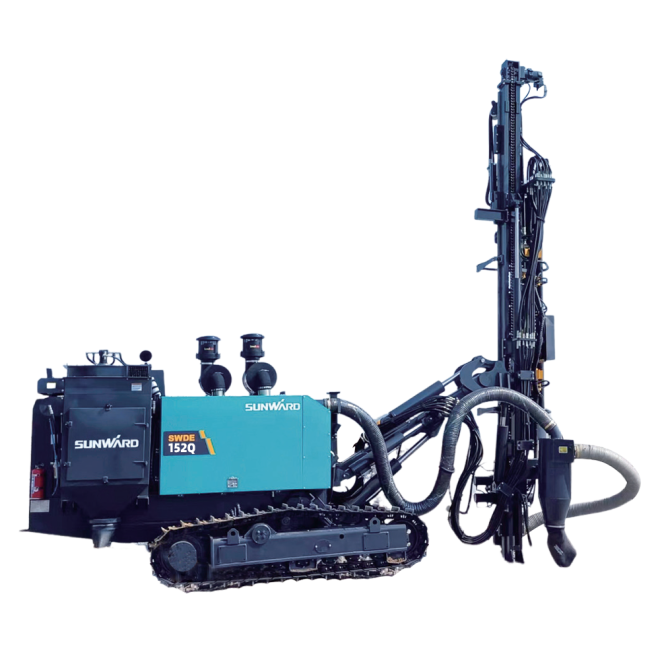
Compact rigs like SWDRT270EH, SWDRT270E, and SWDRT250BH help small sites drill efficiently on rough ground with limited support.
| Rig Feature | Small‑Site Advantage |
|---|---|
| Compact footprint | Easy access on narrow tracks |
| Simple controls | Shorter operator training time |
| Fuel‑saving systems | Lower running costs per shift |
⚙️ Maintaining Drilling Equipment to Extend Service Life and Reduce Costs
Disciplined maintenance protects engines, pumps, and rods from early wear. This directly reduces downtime, repair bills, and the total cost per drilled meter.
Use clear checklists, basic oil analysis, and smart parts planning. Over a season, these steps often save much more than their small daily time cost.
1. Create Simple Daily and Weekly Checklists
Short, written routines keep crews focused on vital checks such as fluids, filters, hoses, and safety systems before drilling starts.
- Daily: oil, coolant, leaks, gauges
- Weekly: filters, belts, greasing schedule
- Monthly: full inspection and torque checks
2. Track Wear Parts and Plan Stock Ahead
Bits, hammers, and seals fail faster in hard formations. Tracking their life lets you order ahead and avoid long, costly stoppages.
| Part | Typical Sign of Wear | Action |
|---|---|---|
| Bits | Slow penetration | Rotate or replace |
| Hoses | Cracks, bulges | Replace before burst |
| Filters | Dirty or blocked | Change per schedule |
3. Record Downtime and Repair Causes
Simple logs of breakdowns and fixes reveal patterns. You can then target the most frequent issues and cut future repairs.
- Note date, rig, hours, and fault
- Record parts used and repair time
- Review data monthly with the crew
4. Use OEM Guidelines Without Over‑Servicing
Follow maker schedules but adjust to local dust, heat, and depth. This avoids both under‑servicing and wasted time on needless work.
| Environment | Suggested Adjustment |
|---|---|
| Very dusty | Shorten air filter change interval |
| High heat | Check coolant more often |
| Wet ground | Inspect corrosion points |
🪫 Optimizing Fuel and Energy Use During Gold Drilling Operations
Fuel is a major cost for small drilling outfits. Careful planning and good operating habits quickly cut liters per drilled meter.
Focus on rig setup, engine loading, and support logistics. These steps reduce emissions while protecting slim exploration budgets.
1. Plan Holes and Moves to Cut Idle Time
Cluster holes by distance and depth so rigs move less and idle fewer hours between collars and service stops.
- Group shallow and deep holes
- Pre‑stage rods, water, and fuel
- Use shared tracks for multiple pads
2. Train Operators in Fuel‑Smart Techniques
Operators should avoid heavy throttling, long idling, and poor bit selection. Smooth control often saves fuel without slowing drilling.
| Habit | Fuel Effect |
|---|---|
| High idle time | Wastes liters with no meters |
| Correct bit choice | Faster, fewer engine hours |
| Right compressor setting | Avoids excess air use |
3. Use Energy‑Efficient Support Systems
Look for efficient compressors, LED lights, and smart generators. Sized power units run closer to their best fuel efficiency point.
- Right‑size generators to load
- Use LEDs on night shifts
- Service compressors to prevent leaks
👷 Training Small Crews for Safe, Efficient, Low-Waste Drilling Workflows
Strong crew skills keep people safe and improve sample quality. Good training also reduces waste, re‑drills, and unplanned equipment damage.
Simple, repeated practice on core tasks works better than one‑off complex workshops, especially for small teams with high turnover.
1. Standardize Start‑of‑Shift Safety Routines
Short toolbox meetings and hazard checks help crews spot risks early, agree on tasks, and avoid rushed work.
- Review hazards and controls
- Confirm PPE and roles
- Discuss weather and ground changes
2. Teach Clean Sampling and Logging Habits
Clear labeling, bagging, and logging prevent mix‑ups. This protects the value of each meter drilled and reduces duplicate work.
| Step | Key Point |
|---|---|
| Labeling | Unique IDs on bags and logs |
| Sample handling | Keep dry, avoid spills |
| Chain of custody | Record who handles samples |
3. Practice Emergency and Equipment Response
Regular drills on fire, stuck rods, and pressure leaks help crews respond calmly and reduce both injury and damage risk.
- Simulate stuck string release
- Drill fire and fuel spill response
- Test communication channels often
🚜 Why Compact Sunward Rigs Suit Budget-Conscious Small Gold Drilling Sites
Compact Sunward rigs give small operators serious drilling power with lower fuel use, easier transport, and simpler crew training.
This combination helps small mines and contractors control operating costs while still reaching target depths and sample quality goals.
1. Lower Operating Costs per Meter
Efficient engines and smart hydraulics help compact rigs use less fuel and parts, which lowers drilling cost per meter over a full season.
- Fuel‑saving power systems
- Accessible service points
- Shared parts across models
2. Mobility and Setup on Tight or Steep Pads
Compact rigs move easily on narrow tracks and set up on small pads, cutting earthworks and access road costs.
| Feature | Benefit on Small Sites |
|---|---|
| Short wheelbase / tracks | Better turning in tight spots |
| Low transport weight | Use lighter support trucks |
| Quick leveling | Faster collar setup |
3. Simple Controls for Faster Crew Learning
Clear dashboards and logical controls shorten training time. Crews reach reliable performance faster and make fewer costly operating errors.
- Intuitive panels and displays
- Easy fault indicators
- Good fit for small, rotating crews
Conclusion
Cost‑effective small gold drilling comes from smart method choice, strong maintenance, and fuel‑aware operations. Compact rigs help reduce costs without losing depth or sample quality.
By training crews well and tracking simple performance data, small operators can reach targets faster, improve safety, and protect long‑term equipment value.
Frequently Asked Questions about gold drilling rig
1. What type of drilling rig is best for small gold projects?
Most small projects use RC or light core rigs with compact footprints. These rigs balance depth, cost, and sample quality on limited budgets and tight sites.
2. How can I lower the cost per drilled meter?
Plan holes well, reduce idle time, maintain rigs on schedule, and use fuel‑smart operating habits. Good sampling practices also avoid costly re‑drilling.
3. How often should I service a gold drilling rig?
Follow the maker schedule, with daily checks and deeper monthly inspections. In dusty, hot, or wet sites, shorten filter and fluid intervals.
4. Do small crews need formal training for drilling?
Yes. Short, focused training on safety, controls, sampling, and emergencies greatly reduces incidents, waste, and unplanned equipment damage.
5. Why choose compact rigs instead of larger machines?
Compact rigs are easier to move, cheaper to run, and simpler to train on. They suit narrow access roads and small pads common in early gold work.
 Facebook
 LinkedIn
 Instagram
 YouTube
 Submit here
 Privacy settings