
 Contact
Introduction to Surface Drilling in Mining
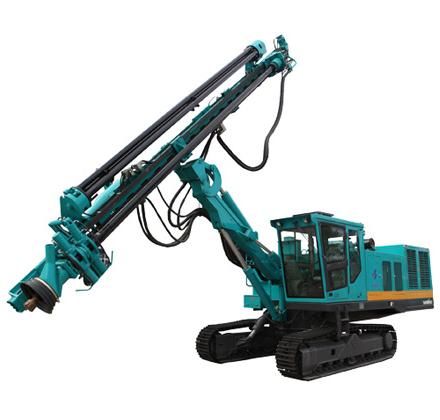
Surface drilling is a critical component in mining operations, responsible for creating holes in the earth's surface for the extraction of minerals and ores. This article delves into the various aspects of surface drilling, exploring the methods, equipment, and factors influencing drilling efficiency. Furthermore, the article will highlight the role of surface drilling rig manufacturers, suppliers, and factories in the mining industry. Lastly, we will introduce Sunward, a leading company in the field of engineering equipment with a robust presence in the mining sector.
Common Drilling Methods
● Rotary Drilling
Rotary drilling is a widely used method in surface mining, employing a rotating drill bit to cut through rock formations. This method is highly efficient for drilling deep and large-diameter holes. It relies on the continuous rotation and downward pressure to penetrate the rock, making it suitable for a variety of geological conditions.
● Percussion Drilling
Percussion drilling, also known as hammer drilling, involves the repeated impact of a heavy tool to break the rock. This method is highly effective in hard rock formations where other drilling techniques may struggle. The percussive action combined with rotation allows for faster penetration rates and improved drill bit life.
● Down-The-Hole (DTH) Drilling
DTH drilling is a technique where a mini jackhammer, located behind the drill bit, breaks the rock into small pieces. This method is particularly effective for deeper holes and harder rock formations. DTH drilling offers superior control and efficiency, making it a preferred choice in many surface mining operations.
Types of Drilling Equipment
● Equipment Based on Mounting
Drilling equipment can be categorized based on how they are mounted. Truck-mounted rigs offer mobility and are ideal for drilling in remote or hard-to-reach areas. Skid-mounted rigs, on the other hand, provide stability and are suited for longer-term drilling projects. Both types have their unique advantages depending on the drilling conditions and project requirements.
● Equipment Based on Motive Power
Drilling equipment can also be classified based on their power source. Pneumatic drills are powered by compressed air and are commonly used for their simplicity and efficiency. Hydraulic drills, powered by hydraulic fluid, offer greater power and control, making them suitable for more challenging drilling conditions. Electric drills, powered by electricity, are gaining popularity due to their lower environmental impact.
Factors Affecting Drilling Efficiency
● Rock Properties
The properties of the rock being drilled significantly impact drilling efficiency. Factors such as hardness, abrasiveness, and porosity determine the choice of drilling method and equipment. Understanding these properties helps in optimizing the drilling process and improving overall efficiency.
● Drill Machine Performance
The performance of the drilling machine itself plays a crucial role in determining drilling efficiency. Parameters like rotational speed, feed pressure, and impact frequency need to be carefully controlled and monitored to ensure optimal performance. Regular maintenance and timely upgrades of drilling equipment are essential for sustained efficiency.
● Environmental Conditions
Environmental factors such as temperature, humidity, and altitude can also affect drilling efficiency. High temperatures can cause overheating of equipment, while high humidity can lead to equipment corrosion. Altitude affects air pressure and can impact the performance of pneumatic drills. Adapting drilling strategies to account for these conditions is vital for maintaining efficiency.
Classification of Drilling Methods
● Mechanical Methods
Mechanical drilling methods include rotary, percussion, and rotary-percussion drilling. These methods rely on mechanical forces to break and remove rock, making them suitable for a wide range of geological conditions. They are commonly used in surface mining operations due to their versatility and efficiency.
● Thermal and Hydraulic Methods
Thermal drilling uses heat to weaken the rock, making it easier to drill through. This method is highly effective for very hard rock formations. Hydraulic drilling uses high-pressure water to erode the rock, offering an efficient and environmentally friendly alternative. Both methods are less common but are gaining traction in specific applications.
● Sonic and Chemical Methods
Sonic drilling uses high-frequency vibrations to break the rock and is particularly effective for soft to medium-hard formations. Chemical drilling involves the use of chemical agents to dissolve or weaken the rock. These methods are specialized and are used in unique geological conditions where traditional methods may not be effective.
Rock Drill Bits and Their Applications
● Types of Drill Bits
There are various types of drill bits used in surface drilling, each suited for different rock types and drilling conditions. Common types include tricone bits, which are versatile and can handle a range of formations, and PDC (Polycrystalline Diamond Compact) bits, which are incredibly durable and efficient for hard rock drilling.
● Selecting Appropriate Drill Bits
Choosing the right drill bit is crucial for the success of a drilling operation. Factors to consider include the hardness and abrasiveness of the rock, the desired hole size, and the type of drilling method being used. Proper selection ensures better penetration rates, longer bit life, and overall cost-efficiency.
● Bit Optimization Techniques
Optimizing drill bit performance involves selecting the right bit for the job and using techniques to extend its life and efficiency. This includes proper maintenance, using the correct drilling parameters, and employing advanced technologies like bit tracking systems. Bit optimization is essential for reducing operational costs and improving productivity.
Suitable Conditions for Different Drilling Methods
● Matching Drilling Methods with Geological Conditions
Different drilling methods are suited to different geological conditions. For instance, rotary drilling is ideal for soft to medium-hard formations, while percussion drilling excels in hard rock conditions. DTH drilling is most effective in deep and hard rock formations. Matching the drilling method to the geological conditions ensures efficiency and cost-effectiveness.
● Cost and Efficiency Considerations
When selecting a drilling method, cost and efficiency are critical factors. Rotary drilling is generally more cost-effective for shallow to medium-depth holes, while DTH drilling, although more expensive, offers better efficiency for deeper holes. Balancing cost with efficiency is key to the success of any surface drilling operation.
Drill Performance Evaluation
● Parameters to Monitor
Evaluating drill performance involves monitoring various parameters such as penetration rate, bit wear, and energy consumption. These parameters provide insights into the efficiency of the drilling operation and help in identifying areas for improvement. Regular performance evaluations are essential for maintaining high standards of efficiency.
● Benefits of Performance Tracking
Tracking the performance of drilling operations offers several benefits, including higher penetration rates, improved accuracy of data, and better maintenance planning. It allows for the collection of valuable production statistics and consumable tracking, which are essential for assessing drillability and making informed decisions.
● Data Accuracy and Production Statistics
Accurate data collection is critical for effective drill performance evaluation. It ensures that the production statistics are reliable and can be used for planning and optimization. Advanced monitoring systems and real-time data collection tools have significantly improved the accuracy and efficiency of performance tracking in surface drilling operations.
Safety Considerations in Surface Drilling
● Handling Drilling Equipment Safely
Safety is paramount in surface drilling operations. Proper handling of drilling equipment, including the use of personal protective equipment (PPE), is essential to prevent accidents and injuries. Training and adherence to safety protocols are crucial for ensuring a safe working environment.
● Managing Environmental Impacts
Surface drilling can have significant environmental impacts, including noise pollution, dust generation, and habitat disruption. Implementing measures to mitigate these impacts, such as using dust suppression systems and noise barriers, is essential for sustainable drilling practices.
● Regulatory Compliance
Compliance with local, national, and international regulations is critical for surface drilling operations. This includes adhering to safety standards, environmental regulations, and labor laws. Regulatory compliance not only ensures the legality of operations but also promotes responsible and sustainable drilling practices.
Future Trends in Surface Drilling Technology
● Automation and Remote Monitoring
The future of surface drilling lies in automation and remote monitoring. Automated drilling rigs can operate with minimal human intervention, improving efficiency and safety. Remote monitoring systems allow for real-time data collection and analysis, enabling better decision-making and predictive maintenance.
● Advancements in Drilling Equipment
Continuous advancements in drilling equipment, such as more powerful and efficient drill rigs, are transforming surface drilling operations. Innovations in drill bit technology, energy-efficient power systems, and advanced control systems are making drilling faster, more efficient, and more sustainable.
● Sustainable Drilling Practices
Sustainability is becoming a key focus in surface drilling. Practices such as reducing energy consumption, minimizing environmental impacts, and recycling drilling fluids are being adopted to promote sustainable drilling. Companies are increasingly committed to improving the environmental footprint of their drilling operations.
Conclusion
Surface drilling is an integral part of mining operations, involving a complex interplay of methods, equipment, and environmental factors. Understanding these aspects is crucial for optimizing drilling performance, reducing costs, and ensuring safety. As technology advances, the future of surface drilling looks promising with greater emphasis on automation, efficiency, and sustainability.
● Sunward’s Mission
Sunward is to strive to improve the quality of human life. This ambitious mission drives each of our employees, starting from the founder of Sunward, Professor He Qinghua, who founded a utopia in 1968. Sunward was established in 1999 by Professor He Qinghua, who is a forward thinker. Professor He is anchored in a very solid university and research background, and he is driven to cultivate himself and constantly improve. Sunward is now one of the world's leading engineering equipment enterprises, SHE: 002097. It is also listed in the “Top 50 Global Construction Machinery Manufacturers” and “Top 3 Global Regional Aircraft Leasing Enterprises.” Besides, Sunward holds the top 1 market share of rock drilling rigs in China. Hangang Heavy Industry (Zhejiang) Technology Co., Ltd is totally responsible for Sunward's Mining sector, including surface & underground mining equipment and parts.
 Facebook
 LinkedIn
 Instagram
 YouTube
 Submit here
 Privacy settings