
 Contact
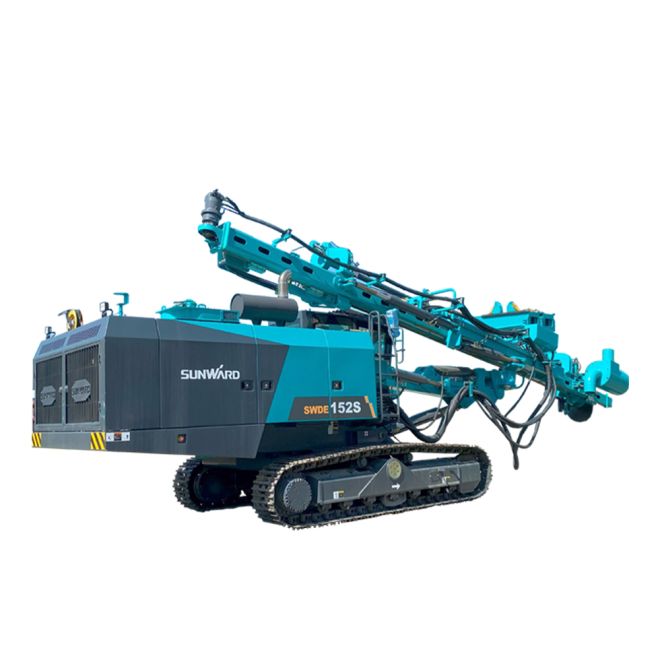
Mining is a complex and demanding industry that requires a wide range of specialized equipment to effectively extract valuable minerals from the earth. Each piece of equipment plays a critical role in the overall mining process, and selecting the right equipment can significantly impact productivity, safety, and efficiency. In this comprehensive article, we will explore the various types of equipment used in mining, providing insights into their applications, benefits, and considerations. Whether you are an industry professional, a mining supplies manufacturer, or a wholesale mining supplies supplier, understanding the essential mining equipment is crucial for success in this field.
Introduction to Mining Equipment
● Importance of the Right Equipment
The mining industry relies heavily on specialized equipment to perform various tasks, from exploration and drilling to extraction and processing. The right equipment ensures operational efficiency, minimizes downtime, and enhances safety. It is essential for mining companies to invest in high-quality mining supplies from reputable mining supplies manufacturers and suppliers to achieve optimal results.
● Brief Overview of Mining Processes
Mining involves several stages, including exploration, drilling, blasting, excavation, loading, hauling, crushing, grinding, screening, and separation. Each stage requires specific equipment designed to handle the unique challenges of the mining environment. This article will delve into the key equipment used in these stages and their importance in the mining process.
Drilling Machinery
● Types of Drilling Equipment
Drilling is a fundamental step in the mining process, as it allows miners to access and explore mineral deposits. There are various types of drilling equipment used in mining, each designed for specific purposes. Some common types include:
- Rotary Drills : These drills use a rotating drill bit to penetrate the rock. They are commonly used for exploratory drilling and creating blast holes.
- Percussion Drills : These drills use a combination of rotary and hammering action to break through rock. They are ideal for hard rock mining.
- Diamond Core Drills : These drills use a diamond-encrusted bit to extract core samples from the earth. They are valuable for obtaining geological data and assessing mineral quality.
● Applications in Different Mining Environments
The choice of drilling equipment depends on the mining environment and the type of mineral being extracted. For example, rotary drills are suitable for open-pit mining, while percussion drills are preferred for underground mining. Using the appropriate drilling machinery ensures efficient and accurate exploration, reducing the risk of costly mistakes.
Excavation Tools
● Common
Excavation Tools
Excavation is a crucial phase in mining that involves removing overburden and extracting valuable minerals. Common excavation tools include:
- Excavators : These machines are equipped with a bucket and arm, allowing them to dig and move large volumes of material quickly.
- Backhoes : Similar to excavators, backhoes have a smaller digging capacity and are often used for smaller or more precise excavation tasks.
- Draglines : These large machines use a bucket suspended from a boom to excavate material. They are commonly used in surface mining operations.
● Differences Between Surface and Underground Excavation
Excavation tools are designed to handle the specific challenges of surface and underground mining. Surface mining equipment, such as excavators and draglines, is used to remove large volumes of overburden and extract minerals from open-pit mines. Underground mining equipment, such as continuous miners and shuttle cars, is used to access and extract minerals from beneath the earth's surface. Each type of equipment is optimized for the unique conditions of its respective environment.
Blasting Equipment
● Blasting Techniques
Blasting is a critical process in mining that involves using explosives to break up rock and access minerals. The choice of blasting techniques depends on the type of rock and the desired outcome. Common blasting techniques include:
- Open-Pit Blasting : Involves drilling blast holes and inserting explosives to break up large volumes of rock.
- Underground Blasting : Used to create tunnels and chambers in underground mines, often involving precision drilling and controlled explosions.
● Safety Precautions During Blasting
Blasting is inherently dangerous, and safety is a top priority. Mining companies must follow strict safety protocols to protect workers and minimize the risk of accidents. This includes using high-quality blasting equipment, implementing proper training programs, and conducting regular safety inspections. Investing in reliable mining supplies from reputable wholesale mining supplies suppliers is essential for maintaining a safe working environment.
Loading and Hauling Machines
● Types of Loaders and Haul Trucks
Loading and hauling are essential operations in mining that involve moving extracted material from the excavation site to processing facilities. Common loading and hauling machines include:
- Front-End Loaders : Equipped with a large bucket, these machines are used to scoop and load material onto haul trucks.
- Haul Trucks : Designed for transporting large volumes of material, haul trucks come in various sizes and capacities, with some models capable of carrying hundreds of tons.
● Efficiency and Capacity Considerations
Choosing the right loading and hauling machines is crucial for optimizing efficiency and productivity. Factors to consider include the size and capacity of the equipment, the distance to be traveled, and the type of material being transported. High-capacity haul trucks and efficient loaders can significantly reduce operational costs and improve overall mining performance.
Crushing and Grinding Machinery
● Primary Crushers Versus Secondary Crushers
Crushing and grinding are essential processes in ore processing, as they reduce the size of extracted material and prepare it for further processing. Primary crushers are used to break down large chunks of material into smaller, manageable pieces. Secondary crushers further refine the material to the desired size. Common types of crushers include:
- Jaw Crushers : Ideal for primary crushing, jaw crushers use compressive force to break down large rocks.
- Cone Crushers : Used for secondary crushing, cone crushers provide excellent particle shape and high reduction ratios.
● The Role of Grinding Equipment in Ore Processing
Grinding equipment, such as ball mills and rod mills, is used to finely grind the crushed material, creating a powder that can be easily processed. Grinding is a critical step in liberating valuable minerals from the surrounding rock. High-quality grinding equipment from reputable mining supplies manufacturers ensures efficient and effective ore processing, maximizing mineral recovery.
Conveyors and Handling Systems
● Types of Conveyor Systems
Conveyors are essential for transporting material efficiently throughout the mining operation. There are various types of conveyor systems used in mining, including:
- Belt Conveyors : The most common type, belt conveyors use a continuous belt to transport material over long distances.
- Screw Conveyors : Ideal for moving bulk materials, screw conveyors use a rotating screw to convey material through a tube or trough.
- Bucket Elevators : Used to vertically transport material, bucket elevators consist of a series of buckets attached to a rotating chain or belt.
● Maintenance and Operational Efficiency
Maintaining conveyor systems is crucial for ensuring continuous operation and minimizing downtime. Regular inspections, timely repairs, and proper lubrication are essential for keeping conveyors running smoothly. Investing in high-quality mining supplies from reputable wholesale mining supplies suppliers can help extend the lifespan of conveyor systems and improve overall operational efficiency.
Screening and Separation Equipment
● Mechanical Screening Methods
Screening is the process of separating material based on size, and it plays a vital role in the mining process. Mechanical screening methods include:
- Vibrating Screens : Use vibration to separate material into different size fractions.
- Trommel Screens : Cylindrical screens that rotate to separate material based on size.
● Advanced Separation Techniques
Advanced separation techniques, such as gravity separation, magnetic separation, and flotation, are used to further refine and concentrate valuable minerals. These techniques require specialized equipment, such as shaking tables, magnetic separators, and flotation cells. Partnering with a reliable mining supplies manufacturer ensures access to cutting-edge separation equipment that enhances mineral recovery and processing efficiency.
Safety and Environmental Monitoring Tools
● Essential Safety Gear for Miners
Safety is a top priority in the mining industry, and miners must be equipped with the appropriate safety gear to protect themselves from potential hazards. Essential safety gear includes:
- Helmets : Provide head protection from falling objects and impact.
- Respirators : Protect against harmful dust and gases.
- Safety Boots : Provide foot protection and improve traction on uneven surfaces.
- High-Visibility Clothing : Enhances visibility in low-light conditions.
● Environmental Impact Monitoring Equipment
Mining operations can have significant environmental impacts, and it is essential to monitor and mitigate these effects. Environmental monitoring equipment, such as air quality monitors, water quality sensors, and noise level meters, helps mining companies comply with regulations and minimize their environmental footprint. Investing in high-quality monitoring equipment from reputable mining supplies manufacturers and suppliers ensures accurate and reliable data collection.
Future Trends in Mining Equipment
● Technological Advancements
The mining industry is continuously evolving, with technological advancements driving innovation in mining equipment. Some emerging trends include:
- Automation and Robotics : Automated and robotic equipment can enhance productivity, reduce operational costs, and improve safety by minimizing human intervention.
- Remote Monitoring and Control : Advanced sensors and communication systems enable remote monitoring and control of mining equipment, allowing for real-time data analysis and decision-making.
- Advanced Materials : The development of new materials with enhanced durability and performance properties can improve the efficiency and lifespan of mining equipment.
● Sustainable and Eco-Friendly Mining Solutions
As the industry becomes increasingly aware of its environmental impact, there is a growing focus on sustainable and eco-friendly mining solutions. This includes the use of energy-efficient equipment, reducing greenhouse gas emissions, and implementing environmentally responsible practices. Partnering with innovative mining supplies manufacturers can help mining companies adopt sustainable solutions and achieve their environmental goals.
Conclusion
In conclusion, the mining industry relies on a diverse range of specialized equipment to carry out various tasks efficiently and safely. From drilling machinery and excavation tools to blasting equipment, loading and hauling machines, crushing and grinding machinery, conveyors, screening and separation equipment, and environmental monitoring tools, each piece of equipment plays a crucial role in the mining process. Investing in high-quality mining supplies from reputable mining supplies manufacturers and wholesale mining supplies suppliers is essential for achieving operational success and sustainability.
Sunward’s Mission
Sunward is a leading engineering equipment enterprise with a mission to improve the quality of human life. Established in 1999 by Professor He Qinghua, Sunward is recognized as one of the world's top construction machinery manufacturers and a leader in rock drilling rigs in China. Sunward's mining sector, managed by Hangang Heavy Industry (Zhejiang) Technology Co., Ltd, is dedicated to providing advanced surface and underground mining equipment and parts to meet the industry's evolving needs.
 Facebook
 LinkedIn
 Instagram
 YouTube
 Submit here
 Privacy settings