
 Contact
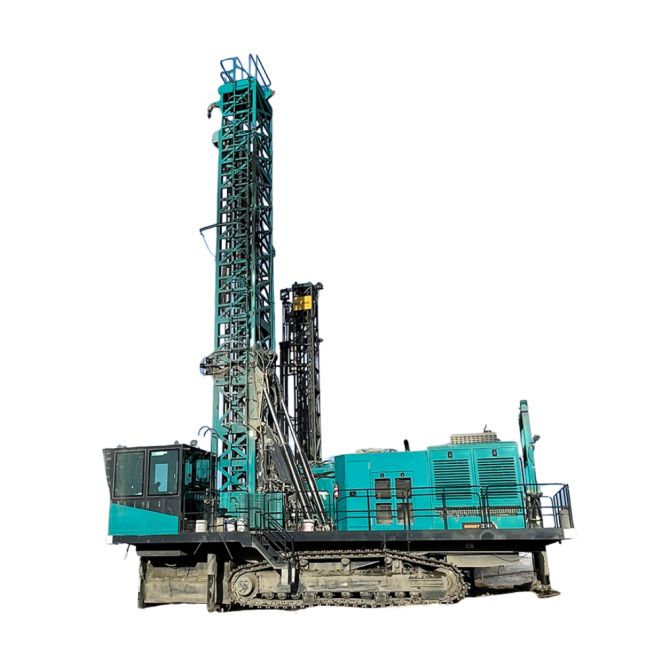
Surface mining has been a cornerstone of the mining industry, providing essential minerals and resources with relatively lower operational risks compared to underground mining. However, a critical question remains: To effectively answer this, we must delve into the various facets of surface mining costs, including equipment, labor, environmental mitigation, and more. This article provides a comprehensive analysis, focusing on several key areas that contribute to the overall cost of surface mining.
Equipment Costs in Surface Mining
● Types of Equipment Used
Surface mining operations require a wide array of machinery, ranging from earthmovers to dragline excavators and bucket-wheel excavators. These machines are designed to remove the overburden (soil and rock overlaying the mineral deposit) and extract the mineral efficiently. The size and complexity of surface mining equipment significantly impact the initial investment and ongoing maintenance costs.
● Purchase, Maintenance, and Operation Expenses
The procurement of surface mining equipment represents a substantial financial commitment. High-capacity machines such as the Bagger 288 bucket-wheel excavator, which can move up to 12,000 cubic meters of earth per hour, exemplify the scale of investment required. In addition to the purchase cost, routine maintenance is vital for ensuring operational efficiency and minimizing downtime. This involves regular inspections, part replacements, and technological upgrades, each contributing to the overall expense.
Labor Costs in Surface Mining
● Required Workforce and Expertise
Surface mining operations are labor-intensive, requiring a skilled workforce to manage and operate the sophisticated machinery. The roles range from equipment operators and maintenance technicians to geologists and safety inspectors. Each role demands specialized training and expertise, adding to the overall labor costs.
● Wages and Benefits for Miners and Operators
Competitive wages are essential for attracting and retaining skilled workers in the mining industry. Additionally, comprehensive benefits packages, including health insurance, retirement plans, and performance bonuses, further elevate labor costs. Ensuring worker safety through regular training and compliance with safety regulations also incurs additional expenses.
Environmental Mitigation Costs
● Regulatory Compliance
Environmental regulations governing surface mining are stringent, necessitating compliance with various federal, state, and local laws. This includes obtaining permits, conducting environmental impact assessments, and adhering to emission and waste disposal standards. Compliance costs can be significant, often requiring ongoing monitoring and reporting to regulatory bodies.
● Pollution Control and Habitat Restoration
Surface mining activities can have adverse effects on air, water, and soil quality, as well as local biodiversity. Implementing pollution control measures, such as dust suppression systems and water treatment plants, is essential for mitigating these impacts. Habitat restoration efforts, including reforestation and soil stabilization, are also crucial for minimizing environmental degradation and complying with regulatory mandates.
Reclamation and Rehabilitation Costs
● Land Restoration Requirements
Post-mining land restoration is a legal obligation for surface mining operations. This process involves reshaping the land, replacing topsoil, and replanting vegetation to restore the ecosystem to its pre-mining state. These activities demand significant financial resources and long-term planning, extending the cost burden beyond the active mining phase.
● Long-term Environmental Monitoring
Continuous environmental monitoring is necessary to ensure the effectiveness of reclamation efforts and detect any residual impacts. This includes soil and water quality testing, vegetation surveys, and wildlife population assessments. Long-term monitoring can extend for several years or even decades, adding to the cumulative reclamation costs.
Fuel and Energy Consumption
● Energy Needs for Machinery Operation
Surface mining equipment consumes a substantial amount of energy, primarily in the form of diesel or electricity. The operational efficiency of these machines directly influences fuel and energy costs. As mining operations scale up, the energy consumption proportionately increases, driving up operational expenses.
● Fuel Efficiency and Alternatives
Improving fuel efficiency through technological advancements and adopting alternative energy sources, such as solar or wind power, can help mitigate energy costs. However, the initial investment in these technologies is substantial. Mining companies must weigh the long-term savings against the upfront expenses associated with transitioning to more sustainable energy solutions.
Health and Safety Expenditures
● Safety Protocols and Equipment
Ensuring worker safety in surface mining operations is paramount. This involves implementing comprehensive safety protocols, providing personal protective equipment (PPE), and conducting regular safety drills and training sessions. Investments in advanced safety technologies, such as real-time monitoring systems and automated emergency response mechanisms, further elevate costs.
● Health Risks and Medical Costs
Mining operations pose various health risks, including respiratory conditions, cardiovascular diseases, and physical injuries. Providing healthcare services, conducting regular medical check-ups, and offering health insurance coverage are essential for safeguarding worker well-being. These health-related expenses contribute significantly to the overall cost structure.
Economic Impacts of Surface Mining
● Community Economic Benefits
Surface mining activities can stimulate local economies by creating job opportunities, supporting local businesses, and generating tax revenues. Infrastructure development, such as roads and schools funded by mining projects, further bolsters economic growth. These benefits, however, must be weighed against the potential costs borne by the community and environment.
● Possible Negative Economic Impacts
While surface mining can drive economic development, it can also lead to negative economic consequences. Environmental degradation, health issues, and social disruptions can impose financial burdens on local communities and governments. Addressing these challenges requires additional investments in remediation and support services, further inflating the overall costs.
Technological Advances and Cost Reduction
● Innovations in Mining Technology
Technological advancements in surface mining equipment have significantly influenced cost structures. Automation, real-time monitoring, and advanced data analytics have enhanced operational efficiency and productivity. These innovations can reduce labor costs, minimize downtime, and optimize resource utilization, thereby offsetting some of the substantial initial investments.
● Automation and Remote Operation Impacts
The adoption of automated and remotely operated equipment has revolutionized the mining industry. These technologies enhance safety by reducing human exposure to hazardous conditions and increase efficiency through precise and consistent operation. However, the high capital expenditure required for implementing such systems must be balanced against the potential long-term cost savings.
Conclusion: Weighing Costs and Benefits
● Overall Cost-effectiveness of Surface Mining
In assessing the cost-effectiveness of surface mining, it is evident that while the initial capital expenditure and ongoing operational costs are significant, the method offers various advantages over underground mining. These include higher productivity rates, lower accident rates, and easier resource extraction. Nevertheless, companies must carefully evaluate the economic, environmental, and social costs to determine the overall feasibility of surface mining projects.
● Balancing Economic Gain with Environmental Responsibility
The sustainability of surface mining hinges on finding a balance between economic gain and environmental responsibility. Investing in advanced technologies, adhering to environmental regulations, and actively engaging in land reclamation and community development initiatives are crucial for achieving this balance. Ultimately, the goal is to maximize resource extraction benefits while minimizing adverse impacts on the environment and society.
Sunward: A Leading Innovator in Mining Equipment
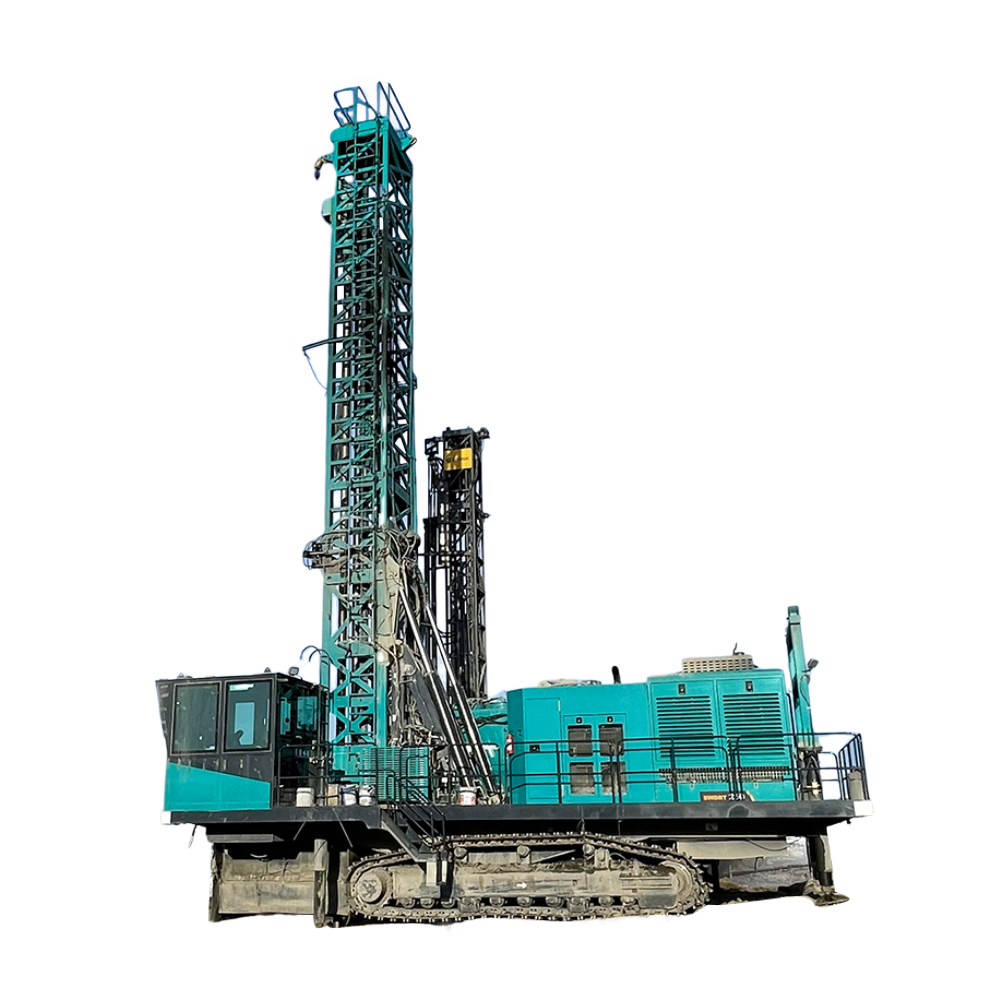
Sunward's Mission: Sunward is dedicated to improving the quality of human life. This ambitious mission, driven by founder Professor He Qinghua, who established the company in 1999, reflects a commitment to innovation and excellence. Sunward is now a global leader in engineering equipment, recognized as one of the "Top 50 Global Construction Machinery Manufacturers" and "Top 3 Global Regional Aircraft Leasing Enterprises." Renowned for its pioneering spirit, Sunward's Mining sector, managed by Hangang Heavy Industry (Zhejiang) Technology Co., Ltd, specializes in surface and underground mining equipment and parts, holding a leading market position in China's rock drilling rig sector.
 Facebook
 LinkedIn
 Instagram
 YouTube
 Submit here
 Privacy settings