
 Contact
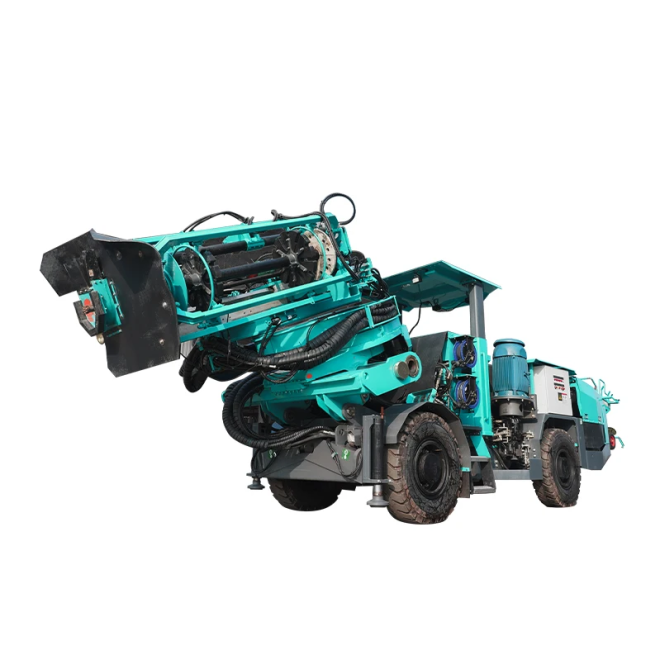
Introduction
Tunneling is a complex and challenging engineering feat that requires specialized equipment and expertise. From urban subway systems to hydroelectric projects, tunnels serve various critical functions worldwide. This article delves into the essential equipment used in tunneling, focusing on the machinery that makes it possible to excavate safely and efficiently. We will explore different types of
Tunnel Boring Machines (TBMs)
, cutting heads and tools, support systems, shield types, specialized equipment, auxiliary systems, and the latest technological advancements. Furthermore, this article will provide insights into the industry landscape, featuring details on wholesale tunneling equipment, tunneling equipment manufacturers, suppliers, and factories. Lastly, we will introduce a leading player in the tunneling equipment sector, Sunward.Tunnel Boring Machines (TBMs)
● Description and Function of TBMs
Tunnel Boring Machines (TBMs)
are among the most sophisticated and essential pieces of tunneling equipment. These massive machines are designed to bore through various geological formations, including hard rock, soft soil, and mixed conditions. The primary function of a TBM is to excavate tunnels with minimal disturbance to the surrounding environment, creating a smooth tunnel wall that reduces the need for extensive lining.● Types of TBMs: Hard Rock vs. Soft Ground TBMs
TBMs are generally classified into two main categories based on the type of terrain they are designed to excavate:
1. Hard Rock TBMs: These machines are equipped with robust cutting heads featuring disc cutters or roller cutters capable of breaking through solid rock formations. They are commonly used in projects that require tunneling through mountainous or rocky areas.
2. Soft Ground TBMs: Designed for excavation in softer soils, sand, or clay, these TBMs often employ cutting heads with scrapers and chisel tools. Soft ground TBMs typically include earth pressure balance (EPB) machines and slurry shield machines to manage the stability of the tunnel face.
Cutting Heads and Tools
● Types of Cutting Heads: Disc Cutters, Roller Cutters
The cutting head is the most critical component of a TBM, responsible for breaking and displacing the ground material. Various types of cutting heads are utilized based on the geological conditions:
1. Disc Cutters: Commonly used in hard rock TBMs, disc cutters are circular steel discs mounted on the cutter head. They apply concentrated pressure to fracture the rock, allowing the TBM to advance.
2. Roller Cutters: Similar to disc cutters, roller cutters use cylindrical rollers with cutting edges to fragment hard rock. They are often used in mixed ground conditions.
● Materials and Design Aspects of Cutting Tools
Cutting tools are typically made from high-strength materials such as tungsten carbide or hardened steel to withstand the extreme forces and abrasive conditions encountered during tunneling. The design of cutting tools is optimized for efficiency and durability, with features like replaceable cutter bits and wear-resistant coatings.
TBM Support Systems
● Hydraulic Jacks and Thrust Systems
TBMs rely on hydraulic jacks and thrust systems to propel the machine forward. These systems apply force to the cutter head, allowing it to penetrate the ground material. Hydraulic jacks also play a crucial role in stabilizing the TBM within the tunnel, preventing unwanted movement and maintaining alignment.
● Shielded vs. Unshielded TBMs
TBMs can be categorized into shielded and unshielded types based on their support mechanisms:
1. Shielded TBMs: These machines include a cylindrical shield that encases the TBM, providing immediate support to the tunnel walls as the machine advances. Shielded TBMs are commonly used in soft ground conditions where the risk of collapse is higher.
2. Unshielded TBMs: Also known as open or main beam TBMs, these machines do not use a shield. Instead, they rely on ground support methods such as rock bolts, shotcrete, and steel ribs to stabilize the tunnel. Unshielded TBMs are typically used in stable rock formations.
Tunnel Wall Support Methods
● Use of Concrete Lining in Tunnel Walls
One of the primary methods for supporting tunnel walls is the use of concrete lining. Shielded TBMs often install precast concrete segments immediately behind the cutter head. These segments form a continuous lining that provides structural support and prevents collapse.
● Ground Support Methods: Ring Beams, Rock Bolts, Shotcrete
In addition to concrete lining, various ground support methods are employed depending on the geological conditions:
1. Ring Beams: Steel or concrete rings installed at regular intervals provide radial support to the tunnel walls.
2. Rock Bolts: Long steel rods anchored into the surrounding rock mass to stabilize and reinforce the tunnel walls.
3. Shotcrete: A spray-applied concrete mixture that adheres to the tunnel walls, providing additional support and preventing loose material from falling.
Excavated Material Removal Systems
● Muck Disposal Techniques: Conveyor Belts, Slurry Pipelines
The excavation process generates a significant amount of waste material, commonly referred to as muck. Efficient removal of muck is critical to maintaining progress and ensuring the safety of the tunneling operations. Several disposal techniques are employed:
1. Conveyor Belts: Continuous conveyor belts transport muck from the cutting head to the tunnel entrance, where it is loaded onto trucks or rail cars for disposal.
2. Slurry Pipelines: In slurry shield TBMs, the excavated material is mixed with water to form a slurry. This slurry is pumped through pipelines to a separation plant where the solids are removed, and the water is recycled.
● Challenges in Muck Management
Managing the large volumes of muck generated during tunneling can be challenging. Factors such as the composition of the excavated material, transportation logistics, and environmental regulations must be considered. Effective muck management strategies are essential to minimize disruptions and maintain project timelines.
Shield Types in Tunnel Boring Machines
● Open/Gripper Shields
Gripper TBMs are designed for use in rock tunnels where the geological conditions are stable. These machines do not use a shield; instead, they push directly against the unreinforced sides of the tunnel. Gripper shields provide temporary support while the TBM advances, and permanent ground support methods are installed later.
● Single and Double Shield TBMs
1. Single Shield TBMs: These machines feature a single cylindrical shield that provides support to the tunnel walls. A permanent concrete lining is constructed immediately behind the shield, and the TBM pushes off the lining to advance. Single shield TBMs operate in alternating cutting and lining modes.
2. Double Shield TBMs: Also known as telescopic shield TBMs, these machines have a leading shield that advances with the cutting head and a trailing shield that acts as a gripper. The two shields can move axially relative to each other, allowing continuous cutting and lining operations. Double shield TBMs are ideal for long tunnels with variable ground conditions.
Specialized Tunneling Equipment
● Grippers, Props, and Supports
In addition to the primary TBMs, tunneling projects often require specialized equipment for additional support and stabilization:
1. Grippers: Hydraulic arms that anchor the TBM to the tunnel walls, providing stability and preventing unwanted movement.
2. Props: Temporary supports, such as steel or hydraulic props, are used to stabilize the tunnel during excavation.
3. Supports: Various support systems, including ring beams, rock bolts, and shotcrete, are employed to provide permanent reinforcement to the tunnel walls.
● Ancillary Equipment: Ventilation, Lighting, and Monitoring Systems
Tunneling projects require a range of ancillary equipment to ensure safe and efficient operations:
1. Ventilation Systems: Proper ventilation is crucial to remove dust, fumes, and gases generated during tunneling. Ventilation systems include fans, ducts, and air handling units.
2. Lighting Systems: Adequate lighting is essential for visibility and safety within the tunnel. Lighting systems typically include high-intensity lamps and portable lights.
3. Monitoring Systems: Advanced monitoring systems track various parameters such as ground movement, air quality, and TBM performance. These systems provide real-time data to ensure safe and efficient tunneling operations.
Backup and Auxiliary Systems
● Power Supply and Distribution in Tunneling
Tunneling operations require a reliable power supply to operate the TBMs and ancillary equipment. Power is typically supplied through high-voltage cables from the surface, and distribution systems include transformers, switchgear, and circuit breakers to ensure safe and efficient power delivery.
● Emergency and Safety Systems
Safety is paramount in tunneling projects. Emergency and safety systems include ventilation controls, fire suppression systems, escape routes, and rescue equipment. Regular training and drills ensure that workers are prepared to respond to emergencies.
Technological Advancements and Future Trends
● Innovations in TBM Technology
The tunneling industry continues to evolve with advancements in TBM technology. Innovations such as automated control systems, advanced cutting tools, and real-time data analytics enhance the efficiency and safety of tunneling operations.
● Emerging Trends in Tunneling Equipment and Methods
Emerging trends in tunneling equipment and methods include the use of robotics, artificial intelligence, and machine learning to optimize excavation processes. Sustainable tunneling practices, such as the use of eco-friendly materials and waste recycling, are gaining traction in the industry.
Industry Landscape
● Wholesale Tunneling Equipment
The market for wholesale tunneling equipment is diverse, with various suppliers offering a range of products to meet the needs of different tunneling projects. Wholesale tunneling equipment suppliers play a crucial role in providing cost-effective solutions for large-scale projects.
● Tunneling Equipment Manufacturers
Tunneling equipment manufacturers design and produce specialized machinery for the tunneling industry. Leading manufacturers invest in research and development to create innovative and reliable equipment that meets the evolving needs of the market.
● Tunneling Equipment Factories
Tunneling equipment factories are facilities where machinery is manufactured and assembled. These factories employ skilled workers and advanced manufacturing techniques to produce high-quality tunneling equipment.
● Tunneling Equipment Suppliers
Tunneling equipment suppliers act as intermediaries between manufacturers and end-users. They provide sales, support, and maintenance services to ensure that tunneling projects run smoothly and efficiently.
Sunward: A Leading Tunneling Equipment Manufacturer
Sunward, established in 1999 by Professor He Qinghua, is a forward-thinking company anchored in a solid university and research background. With a mission to improve the quality of human life, Sunward has become one of the world's leading engineering equipment enterprises. Listed in the "Top 50 Global Construction Machinery Manufacturers" and "Top 3 Global Regional Aircraft Leasing Enterprises," Sunward holds the top market share for rock drilling rigs in China. Sunward's Mining sector, including surface and underground mining equipment and parts, is managed by Hangang Heavy Industry (Zhejiang) Technology Co., Ltd.
In conclusion, tunneling is a complex and multifaceted engineering endeavor that relies on a wide range of specialized equipment. From TBMs and cutting tools to support systems and ancillary equipment, each component plays a critical role in the success of tunneling projects. As the industry continues to evolve with technological advancements and innovative practices, companies like Sunward are leading the way in providing high-quality tunneling solutions to meet the demands of modern infrastructure development.

 Facebook
 LinkedIn
 Instagram
 YouTube
 Submit here
 Privacy settings