
 Contact
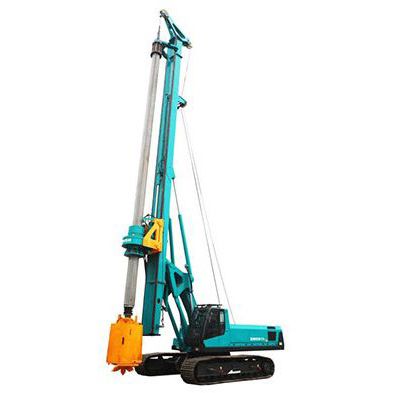
Introduction to Rotary Blasthole Drilling
● Definition and Importance in Mining and Construction
Rotary blasthole drilling is a critical process utilized extensively in mining, quarrying, and large-scale construction. It involves drilling holes into the earth's surface to place explosive charges for subsequent blasting. This method is vital for breaking up hard rock formations to facilitate easier excavation and removal. rotary blasthole drill rigs, which drive this process, are engineered to deliver high performance, accuracy, and efficiency, thereby significantly impacting the productivity and cost-effectiveness of mining operations.
● Brief History and Evolution
The evolution of rotary blasthole drilling dates back over a century when it was primarily a manual and labor-intensive process. Over time, technological advancements have transformed it into a highly automated and precise operation. The development of robust and sophisticated drill rigs has been spearheaded by notable manufacturers and suppliers, making modern rotary blasthole drilling a cornerstone of large-scale industrial and mining activities. The advent of automation and digital control systems further enhanced the capabilities of these rigs, reflecting a continual evolution aimed at optimizing performance and safety.
Core Components of Rotary Blasthole Drill Rigs
● Drill Mast, Drill Pipe, and Bit
The primary components of a rotary blasthole drill rig include the drill mast, drill pipe, and drill bit. The mast supports the entire drilling assembly, providing structural integrity and guiding the drill pipes as they penetrate the ground. Drill pipes are crucial for transmitting rotational force and downward pressure from the rig to the bit, which breaks through rock and earth. The choice of drill bit is critical, as different geological conditions demand specific bit designs to maximize drilling efficiency and longevity.
● Power Systems and Controls
Modern rotary blasthole drill rigs are equipped with advanced power systems, typically diesel or electric, that provide the necessary energy to operate the drill. These rigs also incorporate sophisticated control systems, allowing operators to manage drilling parameters precisely. This includes controlling the speed of rotation, the amount of downward force applied, and the rate of drilling fluid flow. Such controls are essential for optimizing drilling performance and ensuring the longevity of the machinery.
How Rotary Blasthole Drilling Works
● The Drilling Process: Setup, Drilling, Blasting
The rotary blasthole drilling process involves several key steps. Initially, the drill rig is set up at the designated drilling site. The rig operator then aligns the drill mast and begins drilling by lowering the drill bit into the ground. As the bit rotates, it crushes the rock beneath it, creating a hole. Drill pipes are added sequentially as the depth of the hole increases. Once the desired depth is achieved, the hole is loaded with explosives. Finally, blasting is conducted to break the rock into manageable pieces for excavation.
● Key Techniques and Technologies Used
Several techniques and technologies enhance the efficiency and effectiveness of rotary blasthole drilling. These include the use of high-torque drill motors, automated pipe handling systems, and precise control mechanisms. Advanced rigs often feature real-time data collection and monitoring, allowing operators to adjust drilling parameters dynamically. Additionally, modern rigs may employ down-the-hole (DTH) tools for deeper and more precise drilling applications. Automation and remote operation capabilities also play a significant role in improving safety and reducing operational costs.
Types of Rotary Blasthole Drill Rigs
● Overview of Standard and Advanced Models
Rotary blasthole drill rigs come in various models, ranging from standard, manually operated rigs to advanced, fully automated systems. Standard models are typically simpler and more cost-effective, suitable for smaller operations or less demanding geological conditions. In contrast, advanced models are designed for large-scale operations, offering features such as automated drilling cycles, remote operation capabilities, and enhanced safety systems. These rigs are often favored by major mining companies for their reliability and efficiency.
● Comparison of Features and Capabilities
When comparing different rotary blasthole drill rigs, several factors come into play, including drilling depth capacity, hole diameter range, and pulldown force. Advanced models typically offer greater depth capacity and larger diameter ranges, making them suitable for more demanding projects. They also come equipped with features like auto-leveling, auto-drilling, and remote monitoring, which enhance operational efficiency and safety. Additionally, advanced rigs often have superior power systems and enhanced durability, ensuring consistent performance in challenging environments.
Automation in Rotary Blasthole Drilling
● Role of Automation in Modern Rigs
Automation has revolutionized rotary blasthole drilling, bringing numerous benefits in terms of efficiency, safety, and precision. Modern rigs are equipped with automated systems that can perform repetitive tasks with high accuracy, reducing the need for manual intervention. This not only speeds up the drilling process but also minimizes human error. Automation systems can control various aspects of drilling, including bit rotation speed, pressure application, and fluid flow, optimizing performance based on real-time data.
Advantages of Using Rotary Blasthole Drilling
● Increased Efficiency and Productivity
Rotary blasthole drilling offers significant advantages in terms of efficiency and productivity. The ability to quickly and accurately drill large-diameter holes allows for faster project completion. Advanced rigs with automated features can operate continuously, reducing downtime and increasing output. This is particularly beneficial for large-scale mining operations where time and efficiency directly impact profitability. The use of high-torque motors and precise control systems ensures that the drilling process is both fast and consistent, further enhancing productivity.
● Enhanced Precision and Lower Operating Costs
Precision in drilling is crucial for the subsequent blasting process. Rotary blasthole drilling rigs are designed to deliver precise and consistent results, ensuring that holes are drilled at the correct depth and angle. This precision minimizes the risk of uneven blasting and reduces the need for rework. Additionally, the efficiency and automation of modern rigs lead to lower operating costs. Reduced fuel consumption, lower maintenance requirements, and minimal human error contribute to significant cost savings over the lifecycle of the rig.
Safety Measures in Rotary Blasthole Drilling
● Key Safety Protocols and Equipment
Safety is a paramount concern in rotary blasthole drilling operations. Modern rigs are equipped with numerous safety features to protect operators and ensure safe operation. This includes emergency stop systems, fire suppression mechanisms, and protective guarding around moving parts. Rig operators are also required to adhere to strict safety protocols, such as wearing personal protective equipment (PPE), conducting regular safety inspections, and following proper operational procedures. Training programs are essential to ensure that operators are knowledgeable about safety practices and aware of potential hazards.
● Importance of Operator Training and Safety Audits
Effective training is critical for the safe and efficient operation of rotary blasthole drill rigs. Operators must be thoroughly trained in both the technical aspects of the rig and the safety protocols to be followed. Regular safety audits and inspections are also necessary to identify potential risks and ensure compliance with safety standards. These audits help to maintain a safe working environment and prevent accidents. In addition to formal training programs, ongoing education and refresher courses are important to keep operators updated on the latest safety practices and technological advancements.
Environment and Sustainability in Blasthole Drilling
● Eco-Friendly Practices and Technologies
The environmental impact of rotary blasthole drilling is a growing concern, prompting the adoption of eco-friendly practices and technologies. Manufacturers are increasingly focusing on developing rigs that are energy-efficient and produce lower emissions. This includes the use of electric or hybrid power systems and the implementation of advanced emission control technologies. Additionally, practices such as recycling drilling fluids and reducing waste material are being adopted to minimize the environmental footprint of drilling operations.
● Impact Reduction Strategies and Emission Controls
To further reduce the environmental impact, various strategies and emission controls are employed in rotary blasthole drilling. Dust suppression systems, such as water spray and vacuum extraction, are used to control particulate emissions during drilling. Noise reduction technologies are also implemented to minimize the impact on surrounding communities. Moreover, the use of biodegradable and non-toxic drilling fluids helps to protect soil and water resources. These measures collectively contribute to more sustainable and responsible drilling operations.
Case Studies and Success Stories
● Real-World Applications and Outcomes
Several real-world applications and success stories highlight the effectiveness of rotary blasthole drilling. For instance, in large-scale mining operations, the use of advanced rotary blasthole drill rigs has led to significant improvements in productivity and cost savings. Case studies from major mining companies reveal how the adoption of automated and high-performance rigs has enabled them to achieve project milestones faster and with greater accuracy. These success stories demonstrate the practical benefits and competitive advantages of utilizing state-of-the-art rotary blasthole drill rigs.
● Significant Projects and Their Achievements
Notable projects around the world have showcased the capabilities of rotary blasthole drilling. For example, large mining projects in Australia and Canada have successfully employed advanced rigs to drill through some of the toughest geological formations. These projects have achieved remarkable milestones, such as record-breaking drilling speeds and unprecedented precision in hole placement. The achievements of these projects underscore the critical role of rotary blasthole drilling in the success of large-scale industrial operations.
Future Trends in Rotary Blasthole Drilling
● Emerging Technologies and Innovations
The future of rotary blasthole drilling is poised to witness significant technological advancements and innovations. Emerging technologies such as artificial intelligence (AI) and machine learning (ML) are expected to further enhance the automation and efficiency of drilling rigs. AI-powered systems can analyze real-time data to optimize drilling parameters and predict maintenance needs, reducing downtime and improving performance. Additionally, advancements in materials science may lead to the development of more durable and efficient drill bits and components.
● Predictions for Industry Advancements and Challenges Ahead
As the industry continues to evolve, several advancements and challenges lie ahead. The integration of digital technologies and IoT (Internet of Things) connectivity is likely to revolutionize the way drilling operations are managed and monitored. However, the industry must also address challenges such as the increasing demand for sustainable practices and the need for skilled labor to operate and maintain advanced rigs. Collaboration between manufacturers, suppliers, and end-users will be crucial in overcoming these challenges and driving the next wave of innovation in rotary blasthole drilling.
Introduction to Sunward
Sunward is committed to improving the quality of human life through its innovative engineering solutions. Founded in 1999 by Professor He Qinghua, Sunward has become a global leader in the construction machinery industry. Listed among the "Top 50 Global Construction Machinery Manufacturers," Sunward is renowned for its superior rock drilling rigs, which dominate the Chinese market. Hangang Heavy Industry (Zhejiang) Technology Co., Ltd, a Sunward subsidiary, oversees Sunward's mining sector, delivering high-quality surface and underground mining equipment and parts. Sunward's mission continually drives its pursuit of excellence and innovation.

 Facebook
 LinkedIn
 Instagram
 YouTube
 Submit here
 Privacy settings