
 Contact
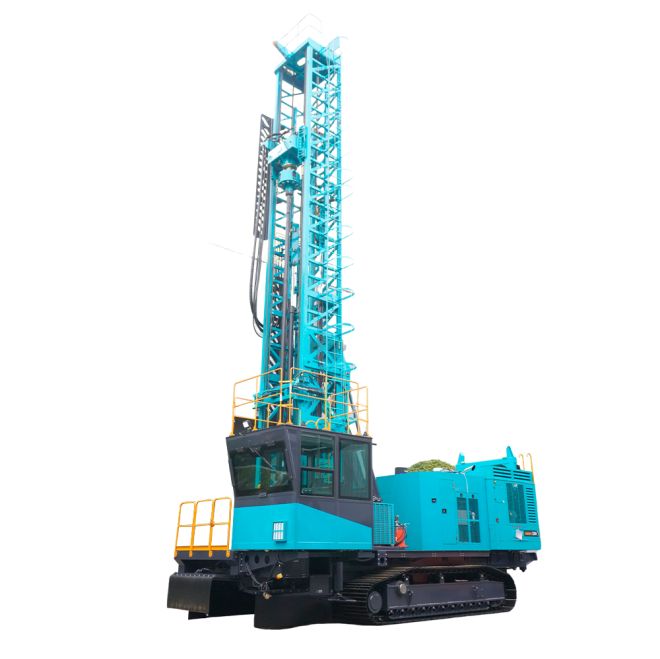
Introduction to Drilling Rig Components
Drilling rigs are essential structures used in the extraction of crude oil and natural gas from the earth. These colossal machines are a complex assembly of various components, each playing a crucial role in the drilling process. Understanding the components of a drilling rig is vital for industry professionals and suppliers, such as wholesale, manufacturers, and factory operators. This article provides a comprehensive overview of the main components found in modern drilling rigs, focusing on their functions and significance in the drilling operation.
Power Systems of a Drilling Rig
Electric and Hydraulic Power Units
The power system of a drilling rig is its heart, providing the necessary energy to operate various components. Modern rigs predominantly use electric power units due to their efficiency and control capability. These units generate power that is distributed across the rig's systems, ensuring smooth operation. Hydraulic power units are also used, especially for controlling specific equipment where more precise movement is required.
Generators and Transformers
Drilling rigs often employ large generators to produce electrical power needed onboard. These generators are sometimes augmented by transformers, which adjust the voltage levels for different applications. Generators are typically powered by diesel engines, offering a reliable power source to meet the rigorous demands of drilling operations. Wholesale suppliers and manufacturers focus on optimizing these systems for energy efficiency and durability.
Hoisting Systems: Derricks and Masts
Derrick Structure
The derrick is a towering structure used to support the drill string and other equipment. It has a four-leg design, providing stability and strength necessary for drilling operations that can reach several kilometers into the earth. Parameters for derricks typically focus on height and load capacity, which can vary significantly depending on the specific rig application. Manufacturers of derricks need to ensure compliance with industry standards while focusing on cost-effective production for factory outputs.
Masts in Mobile Rigs
Masts are employed in mobile rigs, offering a collapsible alternative to derricks. They are designed for easy transportation and quick assembly. While they offer less stability than stationary derricks, their flexibility makes them invaluable in operations requiring frequent relocation. Advances in materials have improved the strength-to-weight ratio of masts, a focus area for both manufacturers and wholesale suppliers.
Drawworks and Its Importance
Function and Design
The drawworks is a critical component of a drilling rig, serving as the primary hoisting equipment. It consists of a large winch system with a rotating drum, series of shafts, clutches, chains, and gears. Its primary function is to raise and lower the drill string, managing its weight during drilling operations. Drawworks can handle significant loads, often exceeding 500 tons, depending on their design and specifications.
Drilling Line Compatibility
The drilling line, a strong steel cable, is utilized by the drawworks to maneuver the drill string. Compatibility and efficiency of the drawworks system depend on the tensile strength and load-bearing capability of the drilling line. Manufacturers offer various options, tailored to different operational needs, ensuring that their products meet rigorous safety standards set by regulatory bodies.
Crown Block and Travelling Block
Pulley Systems
The crown block is positioned at the top of the derrick or mast and consists of a series of pulleys or sheaves. These pulleys direct the drilling line to the travelling block, which moves up and down in the derrick. This configuration provides a mechanical advantage, critical for lifting heavy loads such as the drill string and casing.
Load Management
The combination of the crown and travelling blocks is essential for managing the vertical load in drilling operations. By reducing the amount of force required to lift the drill string, these components allow for greater efficiency and safety. The specifications of these blocks, such as the number of sheaves, affect their load-handling capacity and are a focus for manufacturers seeking to enhance operational efficiency.
Rotary System Components
Rotary Tables and Top Drives
The rotary system in a drilling rig is responsible for rotating the drill string. The traditional rotary table has largely been replaced by top drives, which allow more direct and efficient rotation of the drill string without the need for a Kelly. Top drives, with their advanced control systems, provide significant operational advantages, such as reduced drilling time and improved safety.
Kelly, Kelly Bushings, and Saver Subs
In rigs still utilizing rotary tables, the Kelly is a crucial component, transferring rotational force from the rotary table to the drill string. The Kelly bushing, which fits snugly around the Kelly, facilitates this transfer of force. To prevent wear on these components, a Kelly saver sub is used, extending the life of the Kelly by taking on the wear and tear of repeated operations.
Mud System and Fluid Circulation
High-Pressure Mud Pumps
The mud system is central to wellbore stabilization and cooling the drill bit. High-pressure mud pumps circulate drilling fluid (or mud) down the drill string, out through the drill bit, and back up the annular space between the drill pipe and wellbore. These pumps are crucial for maintaining the correct downhole pressure, a task that requires robust design and precision engineering.
Mud Mixing and Monitoring Equipment
Mud mixing equipment ensures the proper chemical composition and consistency of the drilling fluid. Monitoring systems track the volume and pressure of the mud as it circulates, with real-time data helping operators make informed decisions. Factories producing these systems focus on precision and reliability to ensure they meet the demanding requirements of drilling operations.
Drill String Elements: Kelly and Pipe
Composition and Construction
The drill string is an assembly of drill pipe and bottom hole assembly (BHA) components. Drill pipes are typically made of high-strength steel to withstand the demanding conditions of drilling. Manufacturers provide these pipes in various grades and specifications to meet different operational requirements, ensuring they are available wholesale to meet the industry's demand.
Role of the Bottom Hole Assembly
The BHA, which includes stabilizers, drill collars, and the drill bit, is the lower part of the drill string. It determines the overall functionality and efficiency of the drilling process. Proper selection and assembly of BHA components are critical for maintaining the integrity of the wellbore.
Safety and Monitoring Equipment
Blowout Preventers (BOPs)
Safety equipment, such as Blowout Preventers, is critical in managing the pressure within the wellbore and preventing uncontrolled fluid release. BOPs are designed to seal, control, and monitor the well, offering a critical line of defense in maintaining safety and operational control.
Real-Time Data Acquisition
Monitoring systems, including sensors and data acquisition units, provide real-time feedback on various drilling parameters, such as pressure, temperature, and flow rate. This data is vital for optimizing drilling operations and ensuring the safety of the personnel and equipment.
Additional Support Structures: Rig Floor and Doghouse
Function and Layout of the Rig Floor
The rig floor is the centerpiece of drilling operations, where critical tasks such as pipe handling and connection occur. It is equipped with various tools and systems to facilitate these operations efficiently and safely.
Role of the Doghouse
The doghouse is an on-site office, important for operational coordination. It is typically located adjacent to the rig floor, offering a space for storage, communication, and administrative tasks, enhancing the overall efficiency and safety of the drilling operation.
Sunward Provide Solutions
Sunward offers comprehensive solutions tailored to meet the diverse needs of the drilling industry. As a leading manufacturer in the sector, we ensure our products are built to the highest standards of quality and performance. Our advanced engineering supports various rig components, from power systems to safety equipment, enabling efficient and safe drilling operations. By partnering with Sunward, you gain access to innovative solutions designed to optimize your drilling activities and meet the dynamic demands of the industry.
User hot search: equipment drilling rig
 Facebook
 LinkedIn
 Instagram
 YouTube
 Submit here
 Privacy settings