
 Contact
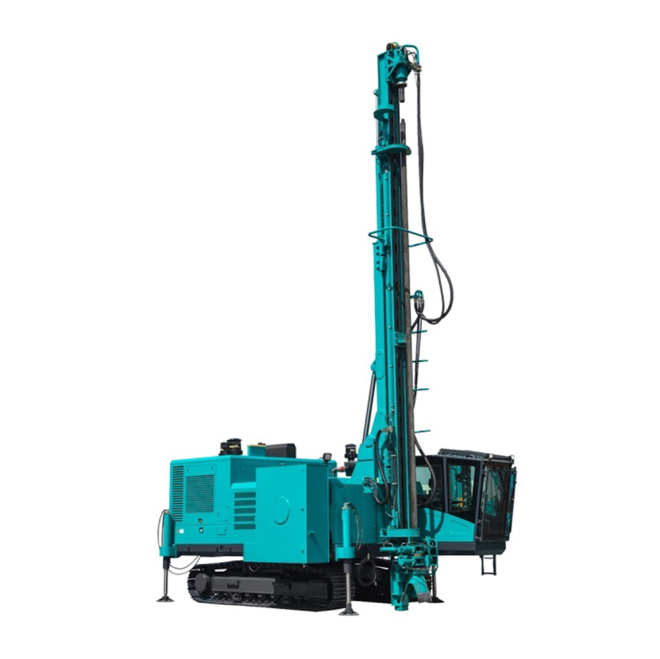
Drill Deviation Issues
Understanding Drill Deviation
Drill deviation is a prevalent challenge faced in the hydraulic crawler drill machine sector. This occurs when a drill bit strays from its intended path, leading to misaligned holes. Factors contributing to this include using a dull drill bit, improper pressure application, or movement of the drill workpiece.
Preventing Drill Deviation
To mitigate drill deviation, it is essential to ensure that the drill bit is sharp and in optimal condition. Employing centering drill bits or punches to mark the drilling point is advisable to guide the drill bit accurately. Consistency in rotational speed and moderate pressure application is recommended to maintain the desired trajectory.
Overheating of Drill Bits
Causes of Overheating
Overheating is a common issue, particularly when machining hard materials like metals. The friction from the drilling process can generate excessive heat, damaging the drill bit and altering the material's properties. Overheating can result in material warping, chip melting, and premature tool wear.
Strategies to Prevent Overheating
To prevent overheating, utilizing appropriate lubricants or cutting fluids is crucial. These substances reduce friction and help dissipate heat, maintaining a manageable temperature. Selecting the correct rotational speed and using heat-resistant drill bits, such as carbide or cobalt, can significantly reduce overheating risks.
Drill Bit Breakage Concerns
Factors Leading to Breakage
Drill bit breakage can occur due to excessive pressure, improper speed, or worn bits, particularly with hard materials. This not only disrupts operations but poses safety risks and may damage workpieces.
Solutions to Avoid Breakage
Employing high-quality drill bits suited for specific materials is key to preventing breakage. Regularly sharpening drill bits and applying consistent pressure can extend their lifespan. Using lubricants to reduce bit load can also minimize breakage.
Burr Formation and Solutions
Understanding Burr Formation
Burrs, which are unwanted projections around drilled holes, can create rough finishes. They often result from improper drilling speeds, excessive pressure, or dull bits, leading to increased costs and time due to additional finishing operations.
Minimizing Burrs
To reduce burr formation, sharp drill bits and appropriate drilling speeds are essential. Consistent pressure application and using counter-drilling techniques can improve finish quality. Special geometry drills designed to minimize burrs can also be beneficial.
Rapid Wear of Drill Bits
Contributing Factors to Wear
Frequent tool replacement due to rapid drill bit wear can increase operational costs. Poor quality bits, excessive pressure, and abrasive materials can accelerate wear, affecting drilling accuracy.
Extending Drill Bit Life
Choosing high-quality, wear-resistant materials like tungsten carbide or cobalt for drill bits is essential. Regular sharpening and proper maintenance can enhance performance and longevity, reducing costs.
Hydraulic System Malfunctions
Identifying Hydraulic Issues
Hydraulic malfunctions, such as leaks, damaged hoses, or low fluid levels, can impede the operation of hoisting and rotary systems. Low fluid pressure may prevent proper function of these systems.
Troubleshooting Hydraulic Problems
Regular inspections to detect leaks and ensure fluid levels are critical. Checking for wear or damage in gearboxes and motors connected to the systems helps maintain operational efficiency.
Broken Drill Pipe Challenges
Causes and Impacts of Breakage
Drill pipe breakage often results from friction with hole walls, reducing pipe thickness and strength. Bent pipes are prone to breaking, which can halt operations and increase costs.
Preventive Measures for Drill Pipes
Regular inspection and selection of drill rods are critical in preventing breakage. Avoid using rods that exhibit signs of excessive wear or bending to ensure operational integrity.
Jamming and Stuck Drilling Tools
Common Causes of Tool Jamming
- Broken wings of drill bits
- Incorrect drill bit diameter
- Displaced machinery during rock drilling
- Falling debris or large cracks in the drilled hole
Methods to Resolve Tool Jamming
In cases where tools jam, using seamless pipes filled with substances like butter or asphalt can aid in salvaging broken components. Careful torque application and auxiliary tools help in correcting stuck situations.
Handling Bit Fragments and Debris
Issues with Bit Fragmentation
Bit fragmentation can impede drilling operations by causing rhythmic jumping of drill pipes. When columns drop, footage stagnates, complicating efforts to reach drilling depths.
Retrieval Techniques
Strong blowing methods can remove small fragments. For larger pieces, employing pipe methods similar to handling broken wings is effective. Regular tool checks and maintenance reduce fragmentation risks.
Wind Motor Usage Precautions
Ensuring Motor Efficiency
Proper lubrication and secure connections between wind motors and hoses are crucial. Prior to operations, thoroughly cleaning hoses ensures optimal air pressure and motor function.
Maintaining Safe Operations
Immediate maintenance is necessary for motors exhibiting abnormal behavior. Routine checks and preventive practices bolster operational safety and prolong motor life.
Sunward Provide Solutions
Sunward, a leading manufacturer and supplier of hydraulic crawler drill machines, offers comprehensive solutions to address drilling challenges. Our technology emphasizes high-quality materials, advanced hydraulic systems, and robust maintenance programs to optimize performance and reduce operational costs for wholesale and individual requirements.
 Facebook
 LinkedIn
 Instagram
 YouTube
 Submit here
 Privacy settings