
 Contact
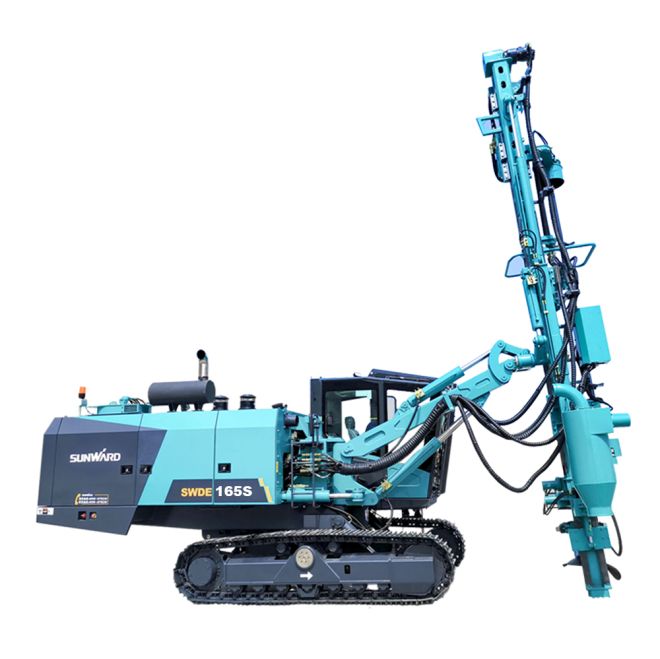
Maintaining surface drills in optimal condition is essential for operational efficiency and longevity. This comprehensive guide provides insights into maintenance practices, focusing on maximizing the lifespan and productivity of surface drills. We will explore the importance of regular maintenance, effective cleaning, common issues, preventive programs, safety protocols, and technology in maintenance management. Keywords such as surface drills, wholesale surface drills, surface drills manufacturer, surface drills factory, and surface drills supplier will be integrated throughout the article.
Importance of Regular Maintenance for Surface Drills
● Reducing Downtime
The regular maintenance of surface drills significantly reduces downtime, ensuring that operations proceed smoothly without unexpected interruptions. By adhering to a consistent maintenance schedule, companies can detect and resolve potential issues before they escalate into serious problems. This proactive approach minimizes costly repairs and operational disruptions, which can adversely affect project timelines and profitability.
● Enhancing Productivity
Maintaining surface drills not only reduces downtime but also enhances productivity. Well-maintained drills operate at their peak efficiency, which translates into faster drilling processes and higher output. By ensuring that all components function optimally, a maintenance program can lead the way to improved drilling speed and accuracy.
Filter and Fluid Replacements: Key to Clean Operations
● Importance of Clean Fluids
Surface drills rely on various fluids, such as hydraulic oils, coolants, and lubricants, to function effectively. Clean fluids are crucial because contaminants can lead to wear and damage to the equipment. Thus, regular fluid replacement is vital to maintain the integrity and efficiency of the surface drills.
● Manufacturer Recommendations
Following the manufacturer’s recommendations for filter and fluid replacements is essential. Surface drills manufacturers provide specific guidelines on when and how to replace these components to ensure optimal performance. Adhering to these guidelines helps maintain warranty conditions and prolongs the equipment’s lifespan.
Lubrication Techniques for Moving Parts
● Reducing Friction
Proper lubrication of moving parts in surface drills reduces friction, which is a major cause of wear and tear. Lubricating joints, bearings, and other moving components ensures smooth operation and prevents excessive heat buildup, which can damage parts over time.
● Extending Component Lifespan
By minimizing friction and preventing premature wear, regular lubrication extends the lifespan of various components within the surface drills. This maintenance practice is crucial for surface drills suppliers and users aiming to get the most out of their equipment investments.
Identifying and Addressing Wear and Tear
● Routine Inspections
Routine inspections are an integral part of a successful maintenance strategy for surface drills. These inspections should focus on identifying signs of wear and tear, such as cracks, corrosion, and loose parts, in critical components. Surface drills factories often emphasize the importance of visual and diagnostic checks in their maintenance protocols.
● Repair and Replacement Strategies
Once wear and tear are identified, it’s imperative to address these issues promptly. Developing effective repair and replacement strategies prevents minor issues from evolving into major failures. Prompt repairs and using quality parts from reputable surface drills suppliers ensure reliability and longevity.
Cleaning and Storage Best Practices
● Effective Cleaning Methods
Effective cleaning of surface drills involves removing dirt, mud, and debris that can accumulate and cause corrosion or mechanical issues. Using appropriate cleaning agents and techniques is crucial, as different parts may require specific methods. This practice ensures that all components are maintained in optimal condition.
● Optimal Storage Conditions
Proper storage is another critical aspect of maintaining surface drills. Equipment should be stored in a clean, dry, and secure location to protect it from environmental damage and unauthorized access. Surface drills manufacturers often provide guidelines on optimal storage practices to extend the equipment's usability.
Documentation: Keeping Track of Maintenance Activities
● Logbook Organization
Maintaining a detailed maintenance logbook is essential for efficient management of surface drills. This logbook should include records of all maintenance tasks, replacements, inspections, and any issues encountered. Organizing this information systematically allows for easy retrieval and review.
● Importance of Detailed Records
Detailed maintenance records are invaluable for identifying patterns of wear and predicting future maintenance needs. They facilitate decision-making processes and ensure compliance with warranties and supplier agreements. Moreover, these records provide a solid foundation for continuous improvement in maintenance practices.
Common Maintenance Issues and Solutions
● Hydraulic and Electrical System Challenges
Hydraulic and electrical systems in surface drills are prone to specific issues such as leaks and malfunctions. Identifying and promptly addressing these challenges involves regular checks, timely repairs, and sometimes, consulting with surface drills factories for specialized support.
● Dealing with Excessive Vibrations
Excessive vibrations can be indicative of misalignments or mechanical issues within the drills. Addressing such vibrations involves inspecting for worn-out components and ensuring proper alignment and balance. Resolving these issues promptly prevents further damage and ensures the safe operation of the equipment.
Developing a Preventive Maintenance Program
● Planning and Scheduling
A successful preventive maintenance program involves strategic planning and scheduling of maintenance tasks. This program should align with equipment specifications and recommendations from surface drills manufacturers. By proactively addressing maintenance needs, companies can prevent unexpected failures and maintain operational efficiency.
● Staff Training and Evaluation
Training personnel on maintenance procedures and the importance of adhering to preventive schedules is crucial. Regular training sessions improve staff competency, while periodic evaluations of the maintenance program help identify areas for improvement and ensure its effectiveness.
Safety Protocols in Surface Drill Maintenance
● Personal Protective Equipment (PPE)
Safety should always be prioritized during maintenance activities. Implementing safety protocols, including the use of personal protective equipment (PPE), ensures that maintenance tasks are conducted without risking personnel safety. Ensuring compliance with safety standards is a responsibility shared by surface drills suppliers and users alike.
● Regular Safety Training
Conducting regular safety training sessions is essential to educate personnel about potential hazards and safe practices. These sessions reinforce the importance of safety and emergency protocols, contributing to a culture of safety within the organization.
Leveraging Technology for Maintenance Management
● Benefits of Maintenance Software
The integration of technology, such as maintenance management software, streamlines maintenance processes. These tools provide features such as scheduling, inventory management, and real-time tracking, enhancing efficiency and reducing administrative burdens for surface drills manufacturers and users.
● GPS Tracking and Inventory Management
GPS tracking systems offer real-time location data and enhance the coordination of maintenance activities. Effective inventory management ensures that spare parts and tools are available when needed, minimizing delays in maintenance operations. Surface drills factories are increasingly embracing these technologies to optimize resource allocation and improve maintenance outcomes.
Sunward: A Leader in Engineering Equipment
Sunward, founded in 1999 by Professor He Qinghua, is committed to improving the quality of human life through innovative engineering solutions. With a strong research background and a focus on continuous improvement, Sunward has become one of the world's leading engineering equipment enterprises. Recognized in the "Top 50 Global Construction Machinery Manufacturers," Sunward leads the Chinese market in rock drilling rigs. Hangang Heavy Industry (Zhejiang) Technology Co., Ltd is responsible for Sunward's mining sector, including surface and underground mining equipment.
 Facebook
 LinkedIn
 Instagram
 YouTube
 Submit here
 Privacy settings