
 Contact
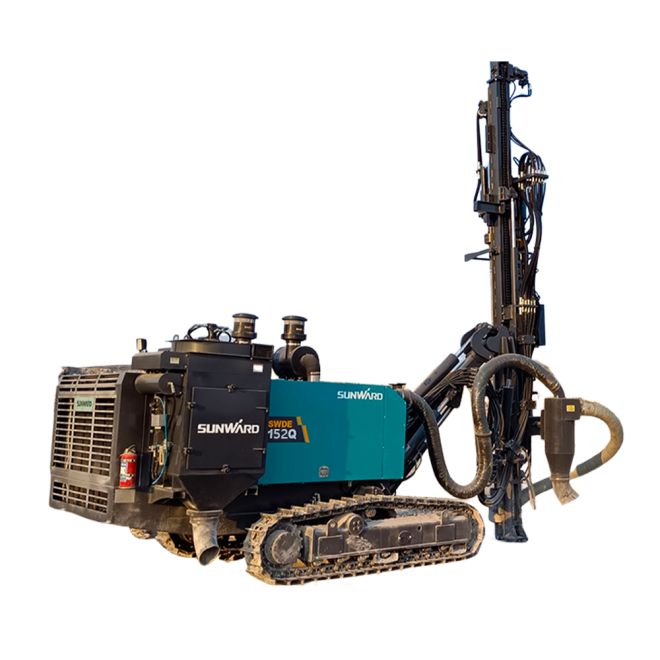
Introduction to Drilling Efficiency
In the realm of drilling operations, efficiency is more than just a buzzword; it's a pivotal factor that influences project timelines, cost-management, and overall success rates. As drilling becomes increasingly complex, the need for strategic tools and scientific methods becomes paramount. Wholesale drilling equipments and tools, provided by reliable manufacturers and suppliers, have become critical in optimizing operational efficiency and achieving superior results. This article explores various drilling equipments and tools, shedding light on how they maximize efficiency and enhance productivity.
● Understanding Drilling Efficiency: Key Concepts
Efficiency in drilling operations is essentially the ability to achieve maximum output with minimal waste of time, effort, or resources. Recognizing the importance of efficiency in the drilling industry is crucial for several reasons. Efficient drilling operations can significantly reduce non-productive time (NPT), thereby optimizing project timelines and minimizing associated costs. Moreover, implementing efficient practices ensures safer operations and better integrity of drilling assets. Additionally, resource optimization, including the strategic use of rigs, tools, and personnel, is vital for achieving operational success and maximizing profitability.
Advanced Drill Bits: Enhancing Drilling Performance
● Polycrystalline Diamond Compact (PDC) Bits
Polycrystalline Diamond Compact (PDC) bits have revolutionized the drilling industry by offering superior cutting capabilities and durability. These advanced drill bits are designed to facilitate faster penetration rates while minimizing bit trips, ultimately improving overall drilling performance. The introduction of PDC bits has enabled operators to cut through challenging formations more efficiently, reducing downtime and enhancing productivity. Drilling equipments and tools manufacturers and suppliers are continually innovating PDC bit designs to meet the ever-evolving needs of the industry.
● Benefits of Diamond-Enhanced Drill Bits
Diamond-enhanced drill bits combine the hardness and wear resistance of diamonds with innovative design features to deliver unmatched performance. These drill bits are particularly beneficial in abrasive formations where traditional bits may fail. The diamond-enhancement technology ensures longer bit life, higher rate of penetration (ROP), and decreased overall drilling costs. By utilizing diamond-enhanced drill bits, operators can achieve faster drilling rates and improved hole quality, thereby maximizing drilling efficiency.
Rotary Steerable Systems: Precision and Control
● Advantages Over Traditional Drilling Methods
Rotary Steerable Systems (RSS) have emerged as game changers in directional drilling, offering unprecedented precision and control over wellbore trajectory. Unlike traditional slide drilling methods, RSS continuously rotates the drill bit, allowing for smoother wellbore paths and reducing connection times. This continuous rotation not only enhances drilling efficiency but also minimizes the risk of wellbore instability. The precision offered by RSS tools is instrumental in complex drilling projects where accurate trajectory control is paramount.
● Improving Trajectory Control and Drilling Rates
The ability of RSS to maintain the planned trajectory with high accuracy leads to improved drilling rates and reduced non-productive time. By providing real-time adjustments to the drill path, RSS ensures optimal drilling parameters are maintained throughout the operation. This level of precision helps in achieving target zones more effectively, reducing overall drilling time and costs. As a result, RSS has become an essential component in the arsenal of drilling equipments and tools supplied by leading manufacturers and suppliers.
Downhole Motors: Power and Speed
● Types of Downhole Motors (PDMs, Turbine)
Downhole motors, including Positive Displacement Motors (PDMs) and turbine motors, are integral to achieving enhanced torque and rotation speeds during drilling operations. PDMs are particularly popular in directional drilling, providing high torque at low rotational speeds, which is ideal for precise directional control. Turbine motors, on the other hand, operate at higher speeds and are suitable for both straight and directional drilling. These motors enhance the overall power and speed of the drilling process, leading to faster penetration rates.
● Enhancing Torque, RPM, and Hole Quality
The increased torque and RPM capabilities of downhole motors contribute to improved hole quality and faster drilling rates. By minimizing drill string vibrations and reducing stick-slip tendencies, these motors ensure smoother drilling operations. The enhanced performance of downhole motors translates to reduced wear and tear on drilling tools, leading to lower maintenance costs and extended tool life. Manufacturers and suppliers of drilling equipments and tools offer a range of downhole motor solutions tailored to meet the specific needs of various drilling environments.
Geological and Formation Analysis: Strategic Insights
● Role of Geological Analysis in Efficiency
A thorough geological and formation analysis is critical for anticipating potential challenges and optimizing drilling practices. By understanding the subsurface conditions, operators can tailor their strategies to enhance efficiency. Advanced logging techniques and data interpretation software provide valuable insights into reservoir properties, enabling informed decisions regarding tool selection and operational parameters. Effective geological analysis minimizes the risk of unforeseen issues, contributing to smoother and more efficient drilling operations.
● Tools for Reservoir Evaluation and Optimization
Modern reservoir evaluation tools play a key role in enhancing drilling efficiency by providing detailed information about formation characteristics. Technologies such as seismic imaging, core sampling, and well logging offer comprehensive data sets that inform decision-making processes. By leveraging these tools, operators can optimize drilling parameters, select appropriate equipments and tools, and develop strategies that align with the unique conditions of each reservoir. This level of optimization ensures maximum efficiency and successful project outcomes.
Real-time Data Monitoring: Informed Decision-Making
● Importance of Continuous Data Acquisition
Continuous data acquisition during drilling operations is essential for maintaining efficiency and addressing potential issues in real-time. Real-time data monitoring systems provide a constant stream of information regarding drilling parameters, wellbore conditions, and tool performance. This continuous feedback loop enables operators to make data-driven decisions, adjust drilling parameters as needed, and avoid costly interruptions. The integration of real-time monitoring systems is a testament to the innovation and technological advancements being embraced by drilling equipments and tools manufacturers.
● Utilizing Software for Trend Analysis and Problem Detection
Advanced software solutions are integral to the analysis and visualization of real-time drilling data. These tools enable operators to identify trends, detect anomalies, and predict potential problems before they escalate. By utilizing data analytics and visualization platforms, operators can enhance their decision-making processes, optimize drilling performance, and reduce non-productive time. The deployment of such sophisticated software solutions by drilling equipments and tools suppliers underscores the industry's commitment to maximizing efficiency through technology.
Integrated Planning: Collaboration and Strategy
● Multidisciplinary Teams and Collaborative Efforts
Integrated planning involving multidisciplinary teams is crucial for optimizing drilling efficiency. Collaboration between geologists, engineers, and drilling experts ensures a comprehensive understanding of the project's requirements and potential challenges. By leveraging the expertise of different disciplines, teams can develop strategic plans that align with the unique characteristics of each drilling operation. This collaborative approach fosters innovation, promotes the selection of appropriate tools, and enhances overall drilling performance.
● The Role of Historical Data and Planning in Efficiency
Historical data and past drilling experiences provide valuable insights that inform future planning and decision-making processes. By analyzing previous projects, operators can identify best practices, anticipate potential issues, and develop strategies that maximize efficiency. The integration of historical data into the planning process is a proactive step towards mitigating risks and optimizing resource utilization. This strategic approach is pivotal in ensuring the success of drilling operations in an increasingly competitive and complex industry landscape.
Case Study: Tools and Methods in Action
● Successful Implementation of Advanced Tools
A recent drilling project exemplifies the successful implementation of advanced drilling tools and scientific methods. By employing Polycrystalline Diamond Compact (PDC) bits and Rotary Steerable Systems (RSS), the drilling team achieved remarkable improvements in penetration rates and trajectory control. The use of real-time data monitoring systems allowed for continuous optimization of drilling parameters, minimizing non-productive time and reducing overall project costs. This case study underscores the tangible benefits of integrating cutting-edge tools and technologies into drilling operations.
● Outcomes of Real-time Monitoring and Formation Analysis
The incorporation of real-time monitoring systems and thorough formation analysis yielded significant benefits for the drilling project. By continuously assessing wellbore conditions and adjusting operational parameters, the team was able to mitigate risks and enhance drilling performance. The success of this project highlights the importance of a strategic approach that combines advanced tools, scientific methods, and collaborative planning. As the industry continues to evolve, such innovations will be instrumental in achieving superior drilling efficiency and project success.
Cost Reduction Strategies: Tools and Techniques
● Minimizing Non-Productive Time (NPT)
Reducing non-productive time (NPT) is a critical aspect of maximizing drilling efficiency and minimizing operational costs. By implementing strategies that optimize drilling parameters and utilize efficient tools, operators can effectively reduce downtime and improve overall productivity. The adoption of advanced technologies, real-time monitoring systems, and strategic planning are key components of successful NPT reduction strategies. Manufacturers and suppliers of drilling equipments and tools play a crucial role in providing the solutions needed to achieve these goals.
● Reducing Operational Expenses through Efficiency
Efficiency in drilling operations directly correlates with reduced operational expenses. By selecting the right tools, employing innovative technologies, and optimizing resource utilization, operators can minimize unnecessary costs and enhance profitability. The focus on maximizing efficiency extends beyond the drilling process itself to include logistics, maintenance, and personnel management. Suppliers and manufacturers of drilling equipments and tools are instrumental in offering solutions that streamline operations and drive cost savings in the industry.
Future Trends in Drilling Efficiency: Innovation and Evolution
● Emerging Technologies and Industry Best Practices
As the drilling industry continues to evolve, emerging technologies and best practices are reshaping the landscape of drilling efficiency. From advanced robotics and automation to artificial intelligence and machine learning, these innovations are driving significant improvements in operational efficiency. Embracing these technologies allows operators to stay ahead of industry trends, enhance productivity, and achieve new levels of success. Drilling equipments and tools manufacturers are at the forefront of this evolution, continually innovating to meet the demands of a dynamic industry.
● Importance of Ongoing Training and Development
Ongoing training and development are essential for ensuring that teams are equipped with the knowledge and skills needed to leverage new tools and technologies effectively. As the industry embraces innovation, continuous learning becomes a critical component of maintaining competitiveness and efficiency. Investing in training programs and fostering a culture of continuous improvement empowers teams to maximize the benefits of advanced drilling equipments and tools. Suppliers and manufacturers support these efforts by providing educational resources and technical support to their clients.
Conclusion
In the dynamic industry of drilling and exploration, efficiency is not just a goal but a necessity. By strategically focusing on appropriate tools and scientific methods, operators can optimize drilling operations, increase productivity, and unlock new levels of success. Wholesale drilling equipments and tools manufacturers and suppliers play a pivotal role in providing the advanced solutions needed to achieve these objectives. As the industry continues to evolve, embracing innovation and staying ahead of trends will be key to navigating the ever-changing landscape of drilling with optimum efficiency and effectiveness.
● Introduction to Sunward
Sunward is committed to improving the quality of human life through innovative engineering solutions. Founded in 1999 by Professor He Qinghua, Sunward has grown to become a leading enterprise in the global construction machinery sector. Listed among the "Top 50 Global Construction Machinery Manufacturers," Sunward specializes in providing cutting-edge equipment for both surface and underground mining operations. With a strong research background and a focus on continuous improvement, Sunward is dedicated to delivering excellence in the drilling industry.

 Facebook
 LinkedIn
 Instagram
 YouTube
 Submit here
 Privacy settings