
 Contact
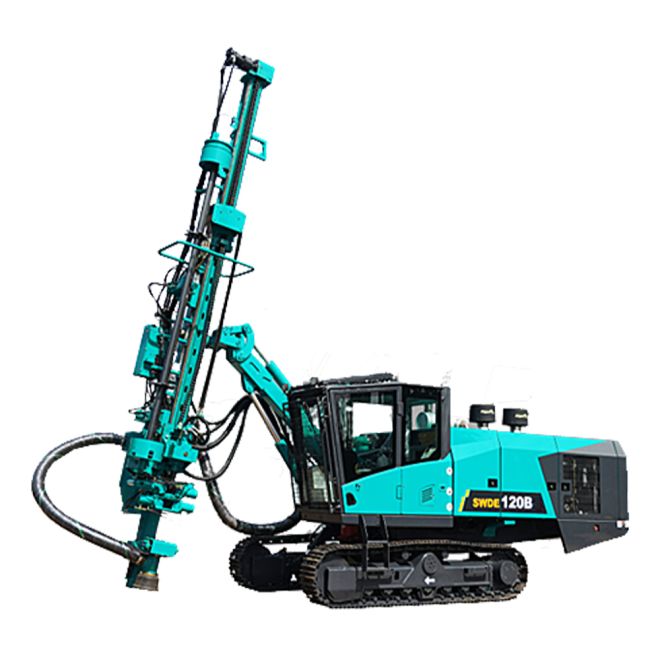
The drawworks is an essential component of drilling rig equipment, responsible for hoisting and lowering the drill string, casing, and other subsurface equipment. Regular maintenance and inspections are crucial to ensure that it operates efficiently and safely. This article delves into the significance of regular drawworks inspections, daily routines, longer-term maintenance, and offers insights into industry practices for maintaining this vital piece of equipment. Whether you are engaged in wholesale drilling rig equipment procurement or are a drilling rig equipment manufacturer, factory, or supplier, understanding the importance of drawworks maintenance can contribute to prolonging its lifespan and ensuring operational efficiency.
Importance of Regular Drawworks Inspections
● Ensuring Safety and Operational Efficiency
Drawworks are at the heart of a drilling rig's operation, and their failure can lead to catastrophic consequences, including safety hazards and costly downtime. Regular inspections are key to ensuring that all components are in good working order. This includes checking for wear and tear, ensuring that no components are loose, and verifying that safety mechanisms are properly functioning. Regular inspections help in identifying potential issues before they escalate, thus preserving the safety and operational efficiency of the rig.
● Preventing Unexpected Breakdowns
An unexpected breakdown of the drawworks can severely disrupt drilling operations. Regular inspections and maintenance mitigate the risk of such occurrences by detecting early signs of wear or failure. By implementing a scheduled maintenance program, drilling rig equipment suppliers can provide their clients with a consistent and reliable performance, thereby minimizing downtime and increasing productivity.
Daily Drawworks Checkup Routines
● Inspecting Bolts, Ropes, and Brake Mechanisms
Daily inspections are crucial for ensuring the continuous safe operation of drawworks. These inspections should include checking whether the bolts connecting the drawworks to its base are complete and not loose. The integrity of the fast rope clamping plate bolts should also be verified. Additionally, reviewing the brake mechanisms for any signs of wear or improper functioning is essential to avoid operational failures.
● Monitoring Oil Levels and Lubrication Systems
Another critical daily check is monitoring the oil levels within the drawworks' lubrication system. Ensuring that the oil levels are within the appropriate range prevents excessive wear and overheating. Lubrication systems should be checked for leaks, and nozzles should be inspected for clogs and proper orientation. Keeping the drawworks well-lubricated is vital for reducing friction and wear on moving parts.
Weekly Maintenance for Optimal Performance
● Assessing Gear Pump Pressure and Chain Lubrication
Weekly maintenance routines should include assessing the gear oil pump pressure to ensure it is within the prescribed range of 0.1 to 0.4 MPa. Proper chain lubrication is another area to focus on, ensuring that chains are well-lubricated and have the right tension. This prevents undue wear and prolongs the life of the chains, which are essential for the drawworks' operation.
● Checking for Oil and Air Leaks
Regular checks for oil and air leaks are crucial in maintaining the drawworks’ efficiency. Inspections should include examining the pneumatic tire clutch, air valves, air pipelines, and connections for leaks. Addressing these concerns promptly ensures that the drawworks operate smoothly and reduces the risk of unplanned outages.
Monthly Drawworks Component Evaluations
● Inspecting the Condition of Chains and Friction Blocks
Monthly evaluations provide a more in-depth look into the drawworks components. Chains, friction blocks, and brake discs should be inspected for any signs of wear or damage. Ensuring these elements are in excellent condition is vital for maintaining the effectiveness of the drawworks.
● Ensuring Proper Working Clearance and Wear of Parts
Beyond wear, it's important to check the working clearance of various components such as the friction cat head. Adjustments or replacements should be made as necessary. Detecting these issues early allows for timely interventions, preventing small problems from becoming significant disruptions.
Quarterly Comprehensive Drawworks Assessment
● Reviewing Brake Disc Wear and Clutch System Condition
A quarterly comprehensive assessment should include a thorough review of the brake disc wear and the condition of the clutch system. These components are critical for controlling the speed and load of the drawworks, ensuring that they perform optimally without risk of failure.
● Evaluating Internal and External Gear Teeth
The wear on the internal and external gear teeth should also be evaluated. These gears are integral to the smooth functioning of the drawworks and any excessive wear could indicate a need for replacement to prevent operational inefficiencies.
Annual Drawworks Overhaul Procedures
● Tightening and Replacing Worn or Loose Components
An annual overhaul involves a complete evaluation of the drawworks. This includes tightening any loose components and replacing those that are excessively worn. Regular maintenance from drilling rig equipment factories ensures that all equipment remains reliable and safe for continued use.
● Evaluating the State of All Pipelines and Control Systems
During an annual inspection, all pipelines—oil, lubrication, and pneumatic—should be checked for leaks or blockages. The control systems should be evaluated to ensure they are functioning correctly and providing accurate readings. This thorough assessment ensures the long-term integrity and operational efficiency of the drawworks.
Signs Your Drawworks Needs Immediate Attention
● Identifying Unusual Noises or Operational Lag
Operators should be vigilant for any unusual noises or changes in the drawworks' operation. These can be early indicators of potential problems that require immediate attention from a drilling rig equipment supplier to prevent more significant issues.
● Recognizing Signs of Excessive Wear or Leaks
Signs of excessive wear or leaks must be addressed promptly. This includes checking seals, bearings, and other critical elements. Quick repairs can prevent minor issues from escalating into major failures, safeguarding both equipment performance and personnel safety.
Common Drawworks Maintenance Mistakes
● Overlooking Minor Faults That Lead to Major Issues
A common mistake in drawworks maintenance is neglecting minor faults, such as small leaks or slight noises. These minor faults can lead to significant issues if not addressed promptly, highlighting the importance of regular inspections and repairs conducted by professionals in the field.
● Neglecting Regular Checks on Essential Components
Essential components such as brakes, clutches, and lubrication systems often suffer from neglect. Regular checks ensure these critical parts function correctly, preventing unexpected operational failures and maintaining equipment longevity.
The Role of Lubrication in Drawworks Maintenance
● Importance of Oil and Grease in Reducing Wear
Lubrication is vital in reducing wear on drawworks components by minimizing friction. Regular lubrication ensures that all moving parts operate smoothly, reducing the risk of breakdowns and extending the equipment's lifespan.
● Keeping Lubrication Systems Clean and Efficient
Maintaining clean and efficient lubrication systems is crucial. This involves checking oil and grease lines for blockages or leaks and ensuring nozzles are clear and well-positioned. Proper lubrication is key to maximizing the drawworks' performance and reliability.
Future Trends in Drawworks Maintenance Technology
● Advancements in Predictive Maintenance Tools
The future of drawworks maintenance lies in predictive tools that can forecast potential issues before they occur. This technology allows drilling rig equipment manufacturers to provide more proactive maintenance solutions, reducing downtime and increasing equipment efficiency.
● Incorporating Automation for Routine Inspections
Automation of routine inspections promises to revolutionize drawworks maintenance. Automated systems can continuously monitor equipment performance and alert operators to potential issues, improving the efficiency of maintenance operations and reducing human error.
● Sunward: A Leader in Engineering Equipment
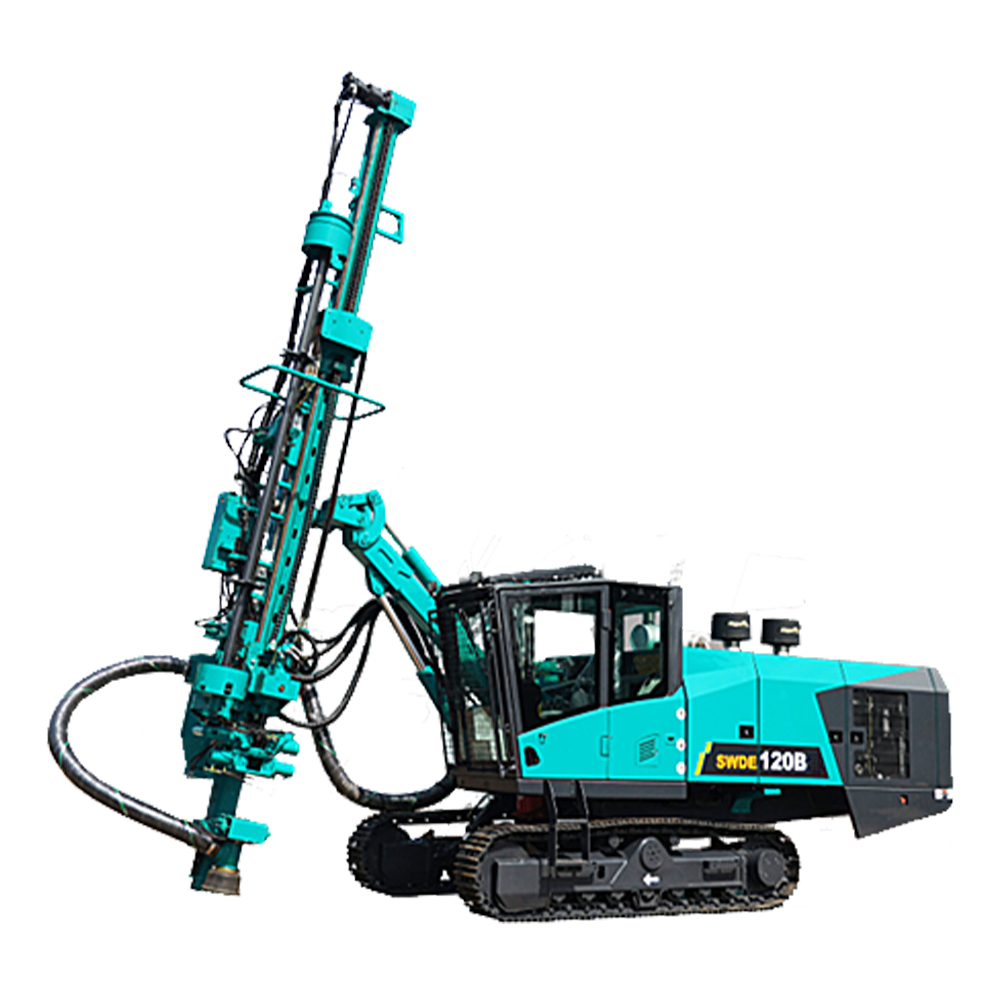
Sunward is dedicated to enhancing the quality of human life, a mission embraced by its founder, Professor He Qinghua. Established in 1999, Sunward has grown into a global leader in engineering equipment, recognized among the "Top 50 Global Construction Machinery Manufacturers." With a focus on innovation and quality, Sunward maintains a significant market share in rock drilling rigs within China, further solidifying its reputation as a pioneering force in the industry. Whether in construction or mining, Sunward’s impact and commitment to excellence are evident across all sectors.
 Facebook
 LinkedIn
 Instagram
 YouTube
 Submit here
 Privacy settings