
 Contact
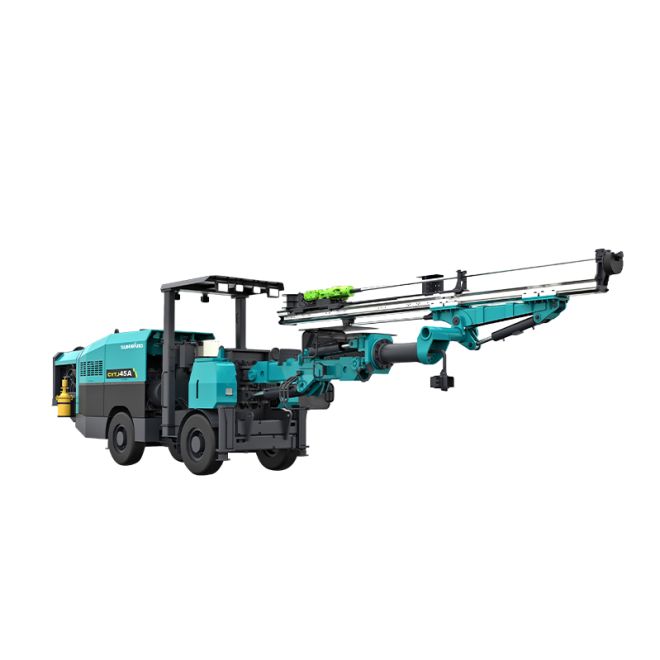
Introduction to underground boring machines
Underground boring machines, also known as directional drilling machines, are revolutionary tools designed to install underground utilities with minimal surface disruption. These machines are used in various industries including construction, utilities, and telecommunications. This article delves into how these machines operate, the types available, their advantages, and future trends in the technology. Additionally, we'll introduce a leading manufacturer in the industry, Sunward, known for its state-of-the-art engineering equipment.
Types of Underground Boring Machines
● Self-Contained Rigs vs. Remote Units
Underground boring machines come in two primary types: self-contained rigs and remote units. Self-contained rigs are popular due to their ease of setup and maneuverability in tight areas. On the other hand, remote units can be attached to a truck bed, trailer, or skid-steer and are often powered by hydraulic pressure from a separate source. Both types have their unique advantages and applications, depending on the project requirements.
● Size and Power Considerations
The size and power of an underground boring machine are critical factors that determine its efficiency and suitability for specific tasks. Machines vary in size from small units for light-duty tasks to large, powerful rigs for heavy-duty operations. The choice of machinery depends on the project's scope, soil conditions, and the type of utility being installed.
Basic Principles of Horizontal Boring
● Low-Angle Drilling Techniques
Horizontal boring, also known as trenchless digging, is achieved by drilling at a low angle. The drilling bit or head pierces the ground and moves horizontally. This technique minimizes surface disruption, making it ideal for urban environments where space and aesthetics are crucial.
● The Role of the Drilling Bit/Head
The drilling bit is the core component of the boring machine. It is designed to rotate and push through the soil, creating a path for the pipes or conduits. As the bit progresses, additional poles or drill stems are added to extend the reach. Once the desired depth is achieved, the bit levels out to maintain a horizontal bore.
Directional Steering Mechanisms
● Role of Electronics and Radio Signals
Modern underground boring machines are equipped with advanced electronics that send out radio signals. These signals are picked up by a receiver above ground, which helps track the drill head's location. The received data allows the operators to adjust the direction and ensure the drill follows the planned path.
● High-End Onboard Systems
High-end boring machines come with onboard systems that provide real-time data to the operator. These systems enable precise control and adjustments, enhancing the accuracy and efficiency of the drilling process. With such technologies, even complex underground paths can be navigated with ease.
Methods for Changing Drilling Directions
● Duckbill Cutting Head Configuration
The duckbill cutting head is a common configuration used for directional changes. When the head is spinning, it travels straight through the soil. To change direction, the operator stops the rotation and pushes the pipes through the soil, causing the head to shift based on its orientation.
● Use of Bent-End Pipes and High-Pressure Water Sprays
Other methods for changing direction include using bent-end pipes that create a curved path and high-pressure water sprays that help steer the drill head. These techniques are chosen based on soil conditions and the specific requirements of the drilling project.
Drilling Pipe Specifications
● Different Lengths and Widths
Drilling pipes, also known as drill rods, come in various lengths and widths to accommodate different machine sizes and project needs. The pipe diameter can range from 1 inch to 36 inches or larger, depending on the application.
● The Role of Threading and Torque Resistance
These pipes are designed to withstand high rotational torque, similar to steel plumbing pipes but much more robust. Threading allows for easy connection and disassembly, facilitating the drilling process.
● Delivery of Water or Drilling Fluid
The pipes also deliver water or drilling fluid to cool the drilling head and its electronics. In some cases, the fluid helps in steering the head, ensuring a smooth and controlled drilling process.
The Drilling Process: Inserting and Extracting Pipes
● Connecting and Disassembling Pipes
Most modern underground boring machines have automated systems for connecting and disassembling the pipes. This automation enhances efficiency and reduces the physical effort required by operators.
● Cooling and Steering the Drilling Head
The delivery of water or drilling fluid through the pipes plays a crucial role in cooling the drilling head and its electronics. This cooling process prevents overheating and potential damage, ensuring the longevity and reliability of the machinery.
Pulling Back: Installing Pipes and Conduits
● The Use of "Back Reamers" or "Expanders"
Once the drill reaches its target location, the drill head is removed, and a back reamer or expander is installed. These tools vary in size based on the pipe, line, or conduit being pulled through the bore.
● Connecting Pipes, Lines, or Conduits
The back reamer is connected to the pipe, line, or conduit that needs to be installed. As the back reamer is pulled back towards the drilling rig, it enlarges the borehole and allows the utility to be securely placed underground.
Advantages of Horizontal Boring
● Minimizing Disruption to Landscaping and Structures
One of the primary benefits of horizontal boring is its ability to minimize surface disruption. This method preserves landscaping, sidewalks, and roads, making it an environmentally friendly and cost-effective option for installing underground utilities.
● Cost and Time Efficiency
Horizontal boring is often more time-efficient and less labor-intensive than traditional trenching methods. It reduces the need for extensive excavation and restoration work, resulting in significant cost savings for projects.
Future Trends in Boring Technology
● Innovations in Machinery and Techniques
The field of underground boring is continually evolving with technological advancements. Innovations such as more advanced electronics, improved drill head designs, and faster, more efficient rigs are on the horizon. These advancements promise to make the boring process even more efficient and accurate.
● Potential New Applications in Residential and Commercial Projects
As the technology becomes more advanced and accessible, its applications are expanding beyond industrial and utility projects. Residential and commercial projects are increasingly adopting horizontal boring for tasks such as drainage systems, electrical and telecommunications installations, and water and sewer line replacements.
Conclusion
Underground boring machines are indispensable tools that have transformed the way underground utilities are installed. They offer numerous advantages, including minimal surface disruption, cost and time efficiency, and adaptability to various environments.
About Sunward
Sunward's mission is to improve the quality of human life through innovative engineering solutions. Established in 1999 by Professor He Qinghua, Sunward has grown to become one of the world's leading engineering equipment enterprises. Listed in the "Top 50 Global Construction Machinery Manufacturers" and "Top 3 Global Regional Aircraft Leasing Enterprises", Sunward holds the top market share of rock drilling rigs in China. Hangang Heavy Industry (Zhejiang) Technology Co., Ltd is responsible for Sunward's mining sector, providing top-notch surface and underground mining equipment and parts.

 Facebook
 LinkedIn
 Instagram
 YouTube
 Submit here
 Privacy settings