
 Contact
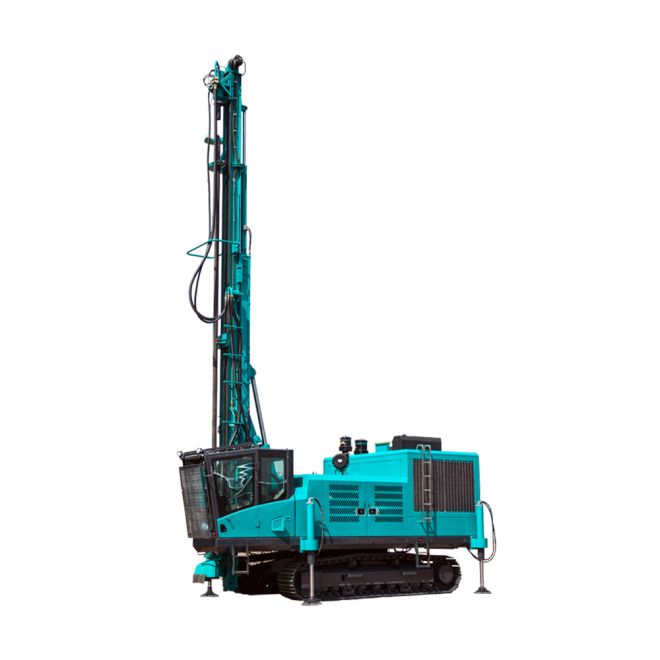
Overview of crawler rock drills Shipment
Crawler rock drills are robust machines used extensively in the mining, construction, and oil & gas industries. These machines facilitate drilling in tough terrains and are essential for projects that require precision and power. Given their size and weight, shipping these drills poses unique challenges and requires careful planning and execution. This article delves into the intricacies of transporting these heavy machineries from the manufacturer to the end-user, focusing on the processes involved, the challenges faced, and the solutions provided by suppliers.
Types of Transportation Used
Road Transport
Crawler rock drills are commonly transported via road using specialized trailers known as removable gooseneck (RGN) trailers. These trailers are designed to carry heavy and oversized loads, such as crawler drills, which can be up to 34.5 feet long, 9.9 feet wide, and 10.5 feet high, with weights nearing 60,000 lbs. Road transport offers flexibility and direct point-to-point delivery, making it the preferred option for short to medium distances.
Sea Freight
For international shipments, sea freight is often the most economical choice. The drills are loaded onto ships either as roll-on/roll-off cargo or in flat rack containers. Despite longer transit times compared to air freight, sea transport can accommodate multiple units in a single shipment, thereby reducing the cost per unit. Suppliers coordinate with shipping lines to ensure timely delivery, keeping in mind the schedules and regulations of ports involved.
Preparing Drills for Shipment
Disassembly and Securement
Before shipment, crawler rock drills may need to be partially disassembled to comply with transportation size regulations. Elements like booms and rods are detached to reduce dimensions, allowing for easier handling and securement. Proper securement techniques, such as using heavy-duty straps and chains, are applied to prevent movement during transit.
Inspection and Maintenance
Prior to dispatch, a thorough inspection is conducted to ensure that all components are in optimal condition. Suppliers often have quality assurance teams that conduct these inspections, focusing on hydraulic systems, engine integrity, and structural components. Routine maintenance may also be carried out to address any minor issues, preventing potential delays upon delivery.
Packaging for Safety and Durability
Custom Crating Solutions
Suppliers provide custom crating solutions to protect crawler drills from damage during transport. High-quality materials, such as reinforced wood or metal, are used to construct crates tailored to individual unit specifications. This packaging mitigates the risk of scratches, dents, and other damages, preserving the wholesale value of the drills.
Weather Protection Measures
Weatherproofing measures are critical, especially for sea freight. Protective covers and coatings are applied to safeguard against corrosion due to moisture and salt. These preventive measures are essential for maintaining the quality of the equipment during extended periods at sea or in harsh weather conditions.
Regulatory and Compliance Requirements
Permits and Documentation
Transporting crawler rock drills requires compliance with various permits and documentation. Suppliers must secure weight and width permits for road transport, given that these machines often exceed standard vehicle size restrictions. Additionally, documentation such as bills of lading, import/export permits, and certificates of origin must be meticulously prepared.
Customs Clearance
International shipments involve navigating complex customs processes. Suppliers collaborate with customs brokers to ensure that all duties, taxes, and regulations are adhered to. Efficient customs clearance is vital for minimizing delays and ensuring a smooth transition from port to destination.
Logistics and Route Planning
Optimizing Transport Routes
Route optimization is crucial for timely deliveries. Suppliers analyze various factors, including road conditions, weather forecasts, and traffic patterns, to plan the most efficient routes. Advanced logistics software is often employed to simulate scenarios and select the optimal path that minimizes transit time and costs.
Coordination with Transport Partners
Successful shipment of crawler drills hinges on effective coordination with transport partners. Suppliers maintain open lines of communication with carriers, drivers, and logistics providers, ensuring that any unforeseen issues are promptly addressed. This collaborative approach is essential for maintaining delivery schedules and upholding supplier commitments.
Handling Challenges During Shipment
Adverse Weather Conditions
Weather can pose significant challenges during transportation. Suppliers must be prepared for delays caused by storms, snowfall, or other adverse conditions. Real-time tracking and weather monitoring tools help suppliers adjust plans as needed, ensuring that shipments remain on track despite the elements.
Cross-Border Complications
Cross-border shipments introduce additional complexities, such as varying regulations and procedural differences between countries. Suppliers must navigate these challenges by staying informed of international shipping standards and working closely with border agencies to facilitate seamless transfers.
Insurance and Liability Concerns
Comprehensive Insurance Coverage
Given the high value of crawler rock drills, comprehensive insurance coverage is essential. Suppliers typically offer insurance options that cover potential damages or losses during transit. This provides peace of mind to the buyer and ensures financial protection against unforeseen incidents.
Liability Agreements
Clear liability agreements between suppliers and purchasers delineate responsibilities in the event of damage or loss. These agreements specify the conditions under which claims can be made, ensuring transparency and accountability throughout the shipment process.
Cost Factors and Budgeting
Transportation and Insurance Costs
Shipping crawler drills involves significant transportation and insurance costs. Factors influencing these costs include the size and weight of the equipment, the method of transport, and the distance to the final destination. Suppliers provide detailed cost breakdowns to help customers budget effectively for their shipping needs.
Customs and Tariff Expenses
Import duties and tariffs can add substantial costs to international shipments. Suppliers must account for these expenses when quoting prices to clients, ensuring that there are no surprises upon delivery. By clearly outlining these charges, suppliers help customers plan their budgets more accurately.
Future Trends in Crawler Drill Shipping
Technological Advances in Logistics
As technology continues to evolve, suppliers are increasingly leveraging advanced logistics tools to enhance shipping efficiency. Innovations such as blockchain for documentation, IoT for real-time monitoring, and AI for route optimization are poised to revolutionize the way crawler drills are shipped, promising greater accuracy and reduced costs.
Sustainability Initiatives
The push towards sustainability is prompting suppliers to adopt eco-friendly shipping practices. From optimizing fuel consumption to exploring alternative energy sources, the focus is on reducing the carbon footprint associated with transporting heavy machinery. Suppliers committed to sustainability are likely to gain a competitive edge as environmental concerns become more pressing.
Sunward Provide Solutions
At Sunward, we offer comprehensive solutions that cater to all aspects of crawler rock drill shipments. As a leading supplier, we provide tailored logistics strategies, ensuring your equipment arrives safely and on time. Our services include professional packaging, adherence to international compliance standards, and a commitment to environmental sustainability. Trust us to handle your shipping needs efficiently, allowing you to focus on your core business operations.

 Facebook
 LinkedIn
 Instagram
 YouTube
 Submit here
 Privacy settings