
 Contact
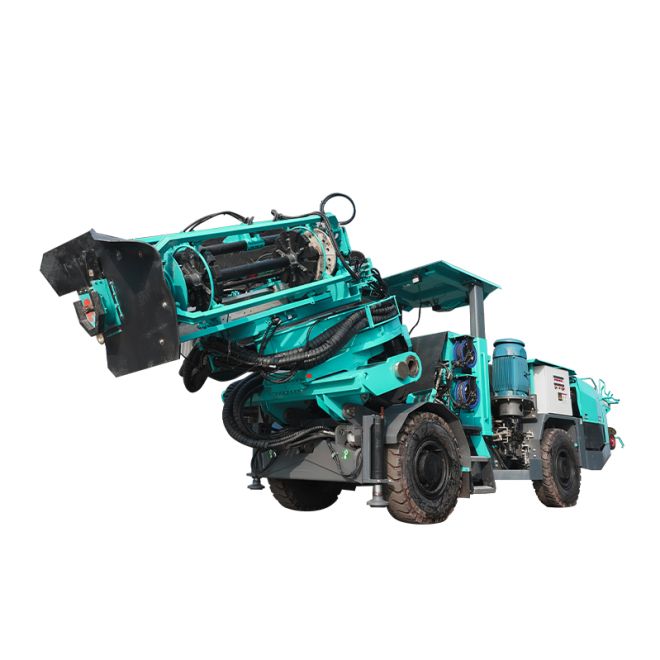
Staring at rock boring machine catalogs feels like trying to read hieroglyphics with dollar signs—prices jump, options explode, and your budget quietly cries in the corner.
This guide breaks down real cost drivers, offers clear budgeting steps, and backs choices with data from the U.S. Department of Energy.
💰 Key Cost Components in Rock Boring Machine Pricing
Rock boring machine prices depend on several key cost drivers. Understanding each element helps buyers compare offers clearly and avoid hidden expenses during the full project life cycle.
By breaking costs into hardware, support, and running expenses, you can match models like CYTM41 and CYTJ45 to real project needs and budget limits.
1. Purchase Price and Core Components
The base price covers the drill body, power system, feed beam, and control system. Higher torque, deeper drilling range, and advanced automation will increase the initial purchase cost.
- Power type and rating
- Drilling depth and diameter range
- Hydraulic and control system level
- Supplier brand and warranty length
2. Tooling, Bits, and Ground-Engaging Parts
Tools and bits wear quickly in hard rock. Buyers should include starter sets, expected bit life, and replacement prices when comparing different boring machines.
| Item | Cost Impact |
|---|---|
| Drill bits | High in very hard or abrasive rock |
| Rods and pipes | Medium, depends on hole depth |
| Consumables | Steady, affects monthly budget |
3. Delivery, Installation, and Training
Transport, site setup, commissioning, and operator training can add a notable share to the first-year budget, especially on remote or underground projects.
- Transport distance and route limits
- Crane and lifting needs during setup
- On-site training days and support
4. Financing, Tax, and Insurance
Leasing, bank loans, and local tax rules shape the real machine cost. Insurance for high-value rigs also affects yearly cash flow and risk control.
- Interest rate and loan period
- Import duties and local taxes
- Insurance coverage and premiums
🧱 How Geological Conditions Affect Rock Boring Machine Investment
Ground conditions strongly shape the right machine choice, tool use, and long-term cost. Matching rig design to geology prevents downtime, tool failure, and budget overruns.
A clear ground study lets buyers set realistic drilling rates and tool budgets and choose specialized units like CYTJ45 Underground Tunneling Drilling Rigs for tight tunnels or complex rock layers.
1. Rock Hardness and Abrasiveness
Hard and abrasive rock increases tool wear, fuel use, and cycle times. Softer rock allows lighter rigs and lower bit costs but can still need careful stability checks.
- Uniaxial compressive strength (UCS)
- Bit life and replacement rate
- Required torque and thrust
2. Fractures, Faults, and Water Inflow
Fractured zones, faults, and water add risk to drilling. Machines may need stronger support, sealing systems, and advanced controls to keep holes stable and safe.
| Condition | Effect on Cost |
|---|---|
| Heavy fractures | More support and grouting |
| High water inflow | Pumping and sealing systems |
| Mixed layers | Variable tools and settings |
3. Sample Data: Daily Bit Consumption by Rock Type
The chart below shows an example comparison of bit use in different rock types. It helps planners forecast tool budgets and select proper specifications.
4. Access, Elevation, and Space Limits
Portal size, tunnel clearance, slope, and altitude change the machine layout, power demand, and transport cost. Compact rigs reduce risk in tight sites.
- Tunnel or gallery height and width
- Ramp grade and road capacity
- Ventilation and dust control needs
⚙️ Machine Specifications, Capacity, and Their Impact on Total Budget
Key specifications, such as torque, drilling range, and automation, directly change both the buying price and the long-term operating budget of any rock boring machine.
1. Power, Torque, and Penetration Rate
Higher power and torque usually give faster penetration in hard rock but raise fuel or electricity use, upfront price, and maintenance complexity across the machine life.
| Spec | Budget Effect |
|---|---|
| Engine / motor power | Higher speed, higher fuel use |
| Torque | Better in hard rock, higher cost |
| Feed force | Impacts depth and bit life |
2. Automation, Control Systems, and Safety
Advanced control systems allow better accuracy, data logging, and remote operation. They cut labor and downtime but require a higher initial investment and skilled operators.
- Auto-drilling and auto-rod handling
- Digital monitoring and alarms
- Safety interlocks and guarding
3. Mobility, Layout, and Compatibility
Tracked or wheeled carriers, boom reach, and modular design affect setup time, relocation costs, and how well the rig works with existing mine systems.
- Travel speed and turning radius
- Setup time between holes or headings
- Compatibility with current tools and power
📊 Long-Term Operating Costs, Maintenance Planning, and Cost Control
A rock boring machine’s lifetime cost is often higher than its purchase price. Planned maintenance and smart operations can greatly cut total project expense.
1. Fuel, Power, and Daily Operating Cost
Fuel or electric power, operator wages, and daily inspections make up the largest recurring costs. Good planning keeps energy use low and drilling productivity high.
| Cost Type | Typical Share |
|---|---|
| Fuel / power | 30–40% |
| Labor | 25–35% |
| Consumables | 15–25% |
2. Preventive Maintenance and Spare Parts
Preventive maintenance schedules reduce failures and extend component life. Keeping key spares on hand helps avoid long, expensive breakdowns during critical work.
- Set clear service intervals
- Track hours and load conditions
- Stock mission-critical parts locally
3. Monitoring, Data, and Continuous Improvement
Using machine data to track penetration rate, fuel burn, and tool wear allows continuous improvement, better scheduling, and more accurate future project budgeting.
- Record drilling parameters by shift
- Compare planned and actual meters
- Adjust settings to cut unit cost
🏗️ Budgeting Strategies and Why Choose Sunward for Rock Boring Solutions
Clear budgeting, staged investments, and the right partner help you control risk, meet deadlines, and secure strong returns from rock boring equipment.
1. Lifecycle Cost and Payback Analysis
Look beyond the sticker price. Include fuel, tools, labor, and service when estimating payback so you can compare different models on true cost per meter.
- Calculate cost per drilled meter
- Estimate payback period in months
- Test scenarios for hard and soft rock
2. Flexible Financing and Phased Upgrades
Match finance terms to your cash flow. Consider leasing, staged tool purchases, and later upgrades of automation features as project demands grow.
| Option | Benefit |
|---|---|
| Purchase | Full ownership, asset value |
| Lease | Lower entry cost, flexible |
| Hybrid | Mix of both for key assets |
3. Why Sunward Rock Boring Solutions Stand Out
Sunward offers specialized rock boring and tunneling rigs, strong after-sales support, and practical customization. This helps buyers achieve reliable output and predictable costs across demanding projects.
- Models tailored for surface and underground work
- Global service and training network
- Focus on stable, efficient drilling performance
Conclusion
Cost analysis for rock boring machines should cover geology, machine specifications, and long-term operation. This whole-life view protects your project from unexpected expenses and delays.
By choosing the right machine size, planning maintenance, and partnering with a reliable supplier, you can control risk and keep cost per meter under tight control.
Frequently Asked Questions about rock boring machine
1. How do I choose the right size rock boring machine?
Start with your required hole diameter, depth, and rock hardness. Then check torque, feed force, and carrier size so the machine can handle peak conditions safely.
2. What is the biggest hidden cost in rock boring?
Tooling and unplanned downtime are common hidden costs. Frequent bit changes, breakdowns, and waiting for spare parts can quickly raise cost per drilled meter.
3. How long does a rock boring machine usually last?
With proper maintenance and correct operation, a quality rig can work effectively for 8–15 years. Life depends on rock hardness, usage hours, and service quality.
4. Can automation really reduce my boring costs?
Yes. Automation can stabilize drilling parameters, reduce operator errors, and raise penetration rate. Over time this lowers energy, tool use, and labor per meter.
5. Why should I consider Sunward for rock boring equipment?
Sunward combines specialized designs for mining and tunneling, tested performance, and global support. This allows reliable drilling output and more predictable budgeting over the rig’s life.
 Facebook
 LinkedIn
 Instagram
 YouTube
 Submit here
 Privacy settings