
 Contact
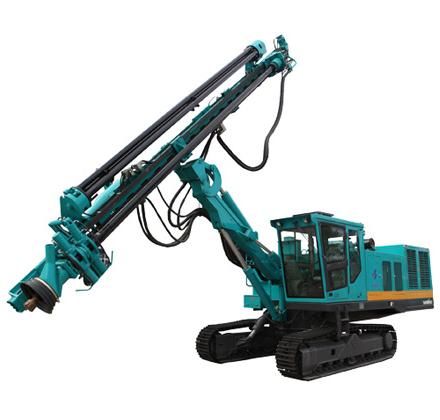
Trenching again? Nothing thrills like another muddy, traffic-stopping, neighbor-angering job just to lay a simple utility line. Let’s compare Hole Hammer and Horizontal Directional Drilling before your crew starts naming potholes after you.
To dodge surface chaos, you can switch to trenchless methods. This article quickly compares speed, cost, and risk, backed by research from the U.S. DOT’s trenchless technology report here.
📌 Definition, Working Principles, and Typical Applications of Hole Hammer and HDD
Hole hammer drilling uses percussive energy to break hard rock quickly along short, straight paths. Horizontal directional drilling (HDD) uses guided rotary drilling to install pipes under obstacles with minimal surface disruption.
Engineers compare both trenchless methods by ground type, bore length, pipe size, and control needs. Clear understanding helps select the safest and most cost‑effective solution.
1. Basic Definitions of Hole Hammer and HDD
Hole hammer, also called pneumatic piercing or impact moling, creates straight bores for small utilities. HDD uses a steerable drill string to create curved pilot holes, then enlarges them to pull product pipes.
- Hole hammer: short, straight, low‑diameter bores
- HDD: long, curved, medium to large diameter bores
- Both are trenchless, with reduced surface excavation
2. Working Principle of Hole Hammer Drilling
A compressed‑air hammer strikes the drill bit rapidly. The repeated blows fracture rock or dense soil, while rotation and flushing advance the bore and remove cuttings.
| Key Element | Function |
|---|---|
| Hammer body | Converts air energy into impact |
| Bit | Breaks rock and shapes bore |
| Air system | Powers hammer and cleans hole |
3. Working Principle of Horizontal Directional Drilling
HDD starts with a guided pilot bore. Operators then ream the hole to the planned diameter and pull the pipe into place using drilling fluid support.
- Steerable drill head follows a planned profile
- Drilling fluid stabilizes the bore and carries cuttings
- Reaming steps gradually enlarge the hole
4. Typical Applications and Selection Scenarios
Hole hammer suits short crossings in hard rock or dense soil, such as road and rail underpasses. HDD fits longer, curved crossings under rivers, highways, and urban zones.
- Hole hammer: service lines, short telecom and water links
- HDD: large water, gas, oil, power, and fiber corridors
- Mixed use: hammer for hard sections, HDD for soft zones
⚙️ Equipment Structure, Power Transmission, and Performance Differences in Various Strata
Hole hammer systems are compact and impact‑driven, ideal for hard layers. HDD rigs are larger, torque‑driven units that manage long bores and complex ground conditions.
Both rely on stable power transmission and efficient cuttings removal, but they react very differently in rock, gravel, clay, and mixed formations.
1. Structural Features of Hole Hammer and HDD Rigs
Hole hammers use a simple in‑line design with few moving parts. HDD rigs combine power head, mud pump, and a tracked base for thrust, pullback, and steering.
| System | Structure | Typical Use |
|---|---|---|
| Hole hammer | Hammer + bit + casing | Short rock bores |
| HDD rig | Power head + mud + rods | Long guided bores |
2. Power Transmission and Energy Use
Hole hammers transmit percussive energy directly to the bit, with high impact at the face. HDD rigs transmit rotary torque and thrust along the drill string.
- Hammer: efficient in hard rock, low steering control
- HDD: flexible steering, higher system complexity
- Energy choice depends on ground and bore design
3. Performance in Different Ground Conditions
In strong rock, hole hammers drill fast and straight. In soft soil, HDD and modern rigs like SWDR180B excel with controlled steering and fluid support.
4. Advanced Sunward HDD Equipment Advantages
Modern HDD rigs such as SWDRT270B and SWDRT250E offer strong torque, stable thrust, smart control, and high reliability in varied strata.
- Optimized frames and power heads
- High pullback capacity for large pipe sizes
- Improved monitoring and fault diagnosis
🌍 Environmental Impact, Noise, and Ground Disturbance Comparison Between Both Methods
Both methods reduce open trenching, but their noise levels, vibration, fluid use, and surface settlement risks differ greatly across ground types.
1. Noise and Vibration Characteristics
Hole hammers generate higher vibration and impact noise, especially in shallow bores. HDD rigs create smoother, lower‑frequency noise mainly from the power pack and pumps.
| Method | Noise | Vibration |
|---|---|---|
| Hole hammer | High at entry | Noticeable near bore |
| HDD | Moderate, steady | Low if mud is stable |
2. Ground Disturbance and Settlement Risk
HDD can control depth and path to avoid sensitive structures, but poor fluid control may cause frac‑out. Hole hammers disturb less soil volume but offer limited steering.
- HDD: better control, needs careful mud design
- Hole hammer: straight path, not ideal under complex assets
- Proper survey and monitoring reduce risk for both
3. Fluid Management and Spoil Disposal
HDD relies on drilling fluid, which must be mixed, recycled, and disposed of safely. Hole hammer uses mainly air, with less fluid but more dry spoil.
- Plan mud disposal and recycling on HDD sites
- Collect and manage cuttings to avoid pollution
- Follow local environmental rules for both methods
💰 Comprehensive Cost, Construction Efficiency, and Maintenance Difficulty Analysis
Lifecycle cost depends on bore length, ground type, pipe size, and risk tolerance. Direct costs must be balanced with surface impact and future repair savings.
Both methods offer strong value when matched correctly to the project, equipment size, and crew skills.
1. Initial Investment and Operating Costs
Hole hammers cost less to purchase and mobilize. HDD rigs require higher capital but can complete complex crossings in fewer setups and with greater precision.
| Item | Hole Hammer | HDD |
|---|---|---|
| Equipment price | Low | Medium–High |
| Crew size | Small | Medium |
| Typical project value | Small | Medium–Large |
2. Construction Speed and Overall Efficiency
In strong rock over short distances, hole hammers drill very quickly. In long, curved bores, HDD delivers higher total productivity and less surface restoration time.
- Speed depends on layer strength and alignment
- Fewer pits reduce time spent on civil works
- Accurate HDD reduces rework and utility clashes
3. Maintenance, Wear Parts, and Serviceability
Hole hammer systems have fewer wear parts but require bit changes in very abrasive rock. HDD rigs need regular checks on rods, pumps, and electronic controls.
- Plan spare bits, reamers, and fluids in advance
- Use OEM parts and follow service intervals
- Train crews to spot early wear or misalignment
✅ Construction Safety, Risk Control, and Why Choose Sunward Solutions
Safe trenchless work depends on accurate planning, reliable equipment, trained crews, and real‑time monitoring of ground, utilities, and machine status.
Sunward solutions combine robust design with smart control to lower risk while keeping performance high.
1. Key Safety Risks and Control Measures
Typical hazards include utility strikes, fluid loss, tool jamming, and uncontrolled surface heave. Strong survey, tracking, and drilling procedures reduce these risks.
| Risk | Control |
|---|---|
| Utility clash | Use accurate mapping and tracking |
| Frac‑out | Optimize mud and pressure |
| Tool failure | Pre‑use checks and proper torque |
2. Operational Best Practices for Hole Hammer and HDD
Crews should track bore path, control entry and exit angles, check pressure and flow, and stop immediately if abnormal vibration, torque, or mud loss appears.
- Use checklists for start‑up and shutdown
- Record drilling data for quality traceability
- Coordinate closely with local stakeholders
3. Why Many Contractors Choose Sunward HDD Rigs
Sunward HDD rigs balance power, control, and cost. Strong steel structures, stable hydraulic systems, and clear interfaces support safe, efficient trenchless projects in demanding conditions.
- Reliable performance in varied strata
- Support for training, setup, and service
- Solutions tailored to municipal, energy, and telecom work
Conclusion
Hole hammer drilling and HDD both reduce open trenching, but they suit different bore lengths, ground conditions, and risk levels. Careful comparison of structure, power, environment, and cost helps choose the best method.
By pairing sound design with capable equipment, contractors can deliver safe, efficient crossings that protect existing utilities, reduce disturbance, and support long‑term asset performance.
Frequently Asked Questions about hole hammer drilling
1. When is hole hammer drilling better than HDD?
Hole hammer drilling works best for short, straight bores through hard rock or dense soil where steering needs are low and entry and exit pits are easy to access.
2. Can hole hammer drilling handle soft or loose ground?
Hole hammers can work in some compact soils, but performance drops in very soft or loose layers. In such conditions, HDD with proper fluid support is usually more stable.
3. How accurate is the bore path with a hole hammer?
Hole hammers follow a generally straight path, but steering options are limited. For strict line and grade control, a guided HDD system offers higher positioning accuracy.
4. What are the main maintenance needs for hole hammer tools?
Regular tasks include checking the hammer body, replacing worn bits, cleaning air lines and lubricators, and inspecting hoses and fittings for leaks or damage.
5. How do I decide between hole hammer and HDD for my project?
Review bore length, diameter, ground type, nearby utilities, and budget. Use hole hammer for short, simple rock bores and HDD for longer, guided, or sensitive crossings.
 Facebook
 LinkedIn
 Instagram
 YouTube
 Submit here
 Privacy settings