
 Contact
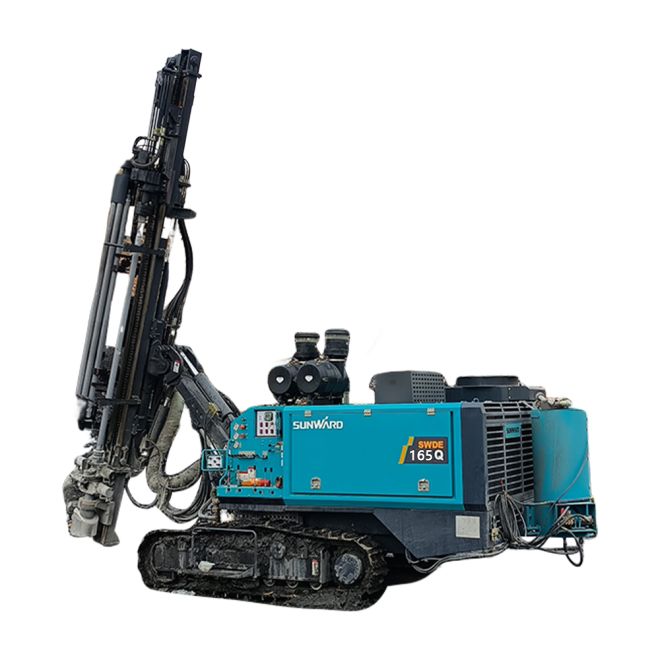
The effectiveness and lifespan of blast hole drill rigs are significantly impacted by the maintenance practices employed. Whether you are a wholesale blast hole drill rig supplier, manufacturer, or factory, understanding the nuances of maintenance can prevent breakdowns and ensure operational efficiency. This comprehensive guide will delve into the various aspects of maintaining blast hole drill rigs, providing professional insights into keeping equipment in optimal condition.
Understanding Key Components of Blast Hole Drill Rigs
● Hoisting Equipment Maintenance
The hoisting equipment in a blast hole drill rig is critical for lifting and lowering heavy materials during drilling operations. Regular inspections are essential to prevent equipment failure. Key maintenance tasks include checking the integrity of the hoisting cables, ensuring the proper functioning of pulleys, and lubricating moving parts to reduce friction. Failure to maintain hoisting equipment can lead to catastrophic accidents, emphasizing the necessity for routine checks.
● Drill Rods and Bits Inspection
Drill rods and bits are the primary components that face the brunt of drilling operations. Regular inspections help in identifying wear and tear early. This includes checking for cracks, measuring wear on the drill bits, and replacing any faulty components. Ensuring that the drill rods are straight and the bits are sharp not only improves efficiency but also reduces the stress on the entire rig.
● Engine and Hydraulics Care
The engine is the heartbeat of a blast hole drill rig, driving all operations. Regular engine maintenance includes oil changes, checking coolant levels, and inspecting for leaks. Similarly, the hydraulic system that operates various rig components needs regular checks for fluid levels, hose integrity, and system pressure. Preventive maintenance of these systems ensures prolonged life and operational reliability.
Importance of Daily Equipment Maintenance Checks
● Early Issue Detection
Conducting daily equipment maintenance checks can be the difference between a smooth operation and costly downtime. These checks allow for the early detection of potential issues like leaks, abnormal noises, or vibrations, which could signal impending failures. By catching these problems early, you can plan repairs without interrupting your drilling schedules.
● Safety Enhancements
Safety is a top priority in any drilling operation. Daily checks ensure that all safety mechanisms are in place and functional. This may involve testing emergency stops, ensuring all guards are secure, and verifying that alarms are operational. A safe working environment not only protects personnel but also adheres to industry regulations.
● Cost Efficiency and Savings
Preventive maintenance is a cost-effective strategy compared to reactive repairs. Addressing minor issues during daily checks prevents them from becoming major problems requiring expensive solutions. This not only saves money but also minimizes downtime, allowing for uninterrupted operations.
Routine Maintenance Tips for Drill Rig Equipment
● Regular Filter Replacements
Filters play a crucial role in maintaining the cleanliness of the fluids used in a drill rig. Regularly replacing filters ensures that contaminants do not damage internal components. This includes fuel filters, oil filters, and hydraulic fluid filters. Aligning filter replacement schedules with manufacturer recommendations optimizes rig performance.
● Lubrication of Moving Parts
Proper lubrication reduces friction and prevents wear on the rig's moving parts. Regularly applying lubricant to bearings, joints, and other friction points extends the life of these components. It’s important to use the right type of lubricant as specified by the blast hole drill rig manufacturer.
● Addressing Wear and Tear
Monitoring wear and tear is a crucial aspect of blast hole drill rig maintenance. Regular inspections should focus on identifying worn-out parts and replacing them promptly. This includes components like cables, hoses, and seals. Timely replacement prevents failures that could lead to significant operational setbacks.
Effective Cleaning and Storage Practices
● Detailed Cleaning Procedures
Cleaning is a vital routine that should be taken seriously. After each use, the rig should be thoroughly cleaned to remove dirt, mud, and debris that can corrode components. Using appropriate cleaning agents and techniques will prevent damage to sensitive parts and ensure longevity.
● Storage Environment Guidelines
Proper storage is crucial in preventing environmental damage to the rig. Equipment should be stored in a dry, secure location away from harsh weather conditions. Implementing protective measures such as covers and climate control helps maintain the rig in optimal condition during periods of inactivity.
Documentation: Essential for Rig Maintenance Management
● Detailed Record Keeping Practices
Documenting maintenance activities is essential for tracking the health of your blast hole drill rig. A detailed logbook should record all maintenance tasks, including dates, observations, and performed repairs. This historical data is invaluable for identifying recurring issues and planning preventive actions.
● Organizational Tips for Maintenance Logs
Organizing maintenance records efficiently allows for easy retrieval and analysis of information. Adopting a structured format with clear sections for different components and tasks can simplify the management of maintenance activities. This organization supports better decision-making and faster troubleshooting.
Navigating Common Drill Rig Maintenance Challenges
● Troubleshooting Hydraulic Leaks
Hydraulic systems are prone to leaks, which can affect the rig’s performance. Regular inspections should focus on identifying and repairing leaks promptly to prevent fluid loss and maintain system integrity. Using manufacturer-recommended sealing materials and techniques can help mitigate leak risks.
● Resolving Electrical Malfunctions
Electrical systems in blast hole drill rigs can experience issues such as faulty wiring or malfunctioning control panels. Regular testing and inspections can identify these problems early. Skilled technicians should be entrusted with resolving electrical faults to ensure safety and compliance with standards.
● Addressing Equipment Vibrations
Excessive vibrations in drill rig components can indicate alignment issues or mechanical faults. It is crucial to investigate these vibrations promptly to determine their cause and implement corrective actions. Regular balancing and alignment checks are preventive measures that help avoid serious damage.
Implementing a Preventive Maintenance Program
● Planning and Scheduling Strategies
A structured preventive maintenance program involves planning and scheduling maintenance tasks based on equipment specifications and usage patterns. This includes setting regular intervals for inspections, component replacements, and system audits. Such a program ensures all maintenance tasks are performed timely and systematically.
● Staff Training and Knowledge Transfer
Training personnel on maintenance procedures and safety protocols is fundamental to the success of any maintenance program. Staff should be knowledgeable about the equipment they are handling and aware of the importance of adhering to maintenance schedules. Investing in training enhances operational efficiency and safety.
● Continuous Program Evaluation
Regular evaluation of the maintenance program’s effectiveness helps identify areas for improvement. This involves reviewing maintenance records, analyzing equipment performance, and seeking feedback from operational staff. Continuous evaluation and adaptation ensure the program remains effective and relevant.
Safety Considerations in Drill Rig Maintenance
● Cultivating a Safety-first Culture
A safety-first approach should be ingrained in the company culture. This involves regular safety training, adherence to safety protocols, and the promotion of safety awareness among all personnel. Encouraging a culture where safety is prioritized helps prevent accidents and enhances compliance with industry standards.
● Compliance with Safety Protocols
Strict adherence to safety protocols during maintenance activities is essential. This includes using appropriate personal protective equipment (PPE), following lockout/tagout procedures, and ensuring all safety devices are operational. Compliance with safety standards not only protects workers but also avoids legal liabilities.
● Risk Mitigation and Prevention
Identifying potential risks and implementing preventive measures is crucial in minimizing hazards during maintenance. Regular risk assessments help in understanding the safety challenges associated with drill rig maintenance and developing strategies to mitigate them. Risk prevention is a proactive approach to safety management.
Leveraging Technology for Maintenance Efficiency
● Introduction to FieldInsight Software
Incorporating technology, such as FieldInsight software, can streamline maintenance operations. This cutting-edge platform offers features like real-time job tracking, automated scheduling, and comprehensive reporting, which enhance the overall maintenance workflow. Leveraging technology leads to greater efficiency and reduced administrative burdens.
● Benefits of Digital Solutions
Digital solutions facilitate seamless communication between field and office teams, reduce paperwork, and improve data accuracy. By integrating software solutions, companies can optimize their maintenance strategies, ensure timely task execution, and maintain detailed records effortlessly.
● Enhancing Maintenance Workflow
Automation and digital tracking systems improve workflow by centralizing information and simplifying task management. This efficiency reduces downtime and allows for better resource allocation. Leveraging technology in maintenance processes is a forward-thinking approach to managing modern blast hole drill rig operations.
Conclusion: Maximizing Rig Performance and Longevity
● Summary of Key Maintenance Practices
Maintaining a blast hole drill rig requires a comprehensive strategy that includes routine checks, preventive maintenance, and effective cleaning and storage. Each of these practices plays a crucial role in ensuring the rig’s performance and extending its operational lifespan.
● Long-term Benefits of Regular Maintenance
Investing in regular maintenance not only enhances the equipment's reliability but also translates into significant cost savings and safety improvements. A proactive maintenance culture supports consistent productivity and operational success.
● Encouragement for Proactive Maintenance Culture
Cultivating a proactive maintenance mentality is crucial for achieving long-term operational goals. By prioritizing maintenance, companies can ensure the durability and efficiency of their equipment, protecting their investments and enhancing their capabilities in the competitive market.
As a leader in the engineering equipment industry, Sunward is committed to improving the quality of human life through innovative solutions. Established in 1999 by Professor He Qinghua, Sunward is renowned for its top market share in rock drilling rigs in China. With a strong research-driven background and a focus on continuous improvement, Sunward is a global leader in construction machinery, listed among the "Top 50 Global Construction Machinery Manufacturers." Hangang Heavy Industry (Zhejiang) Technology Co., Ltd oversees Sunward's mining sector, including cutting-edge surface and underground mining equipment.

 Facebook
 LinkedIn
 Instagram
 YouTube
 Submit here
 Privacy settings