
 Contact
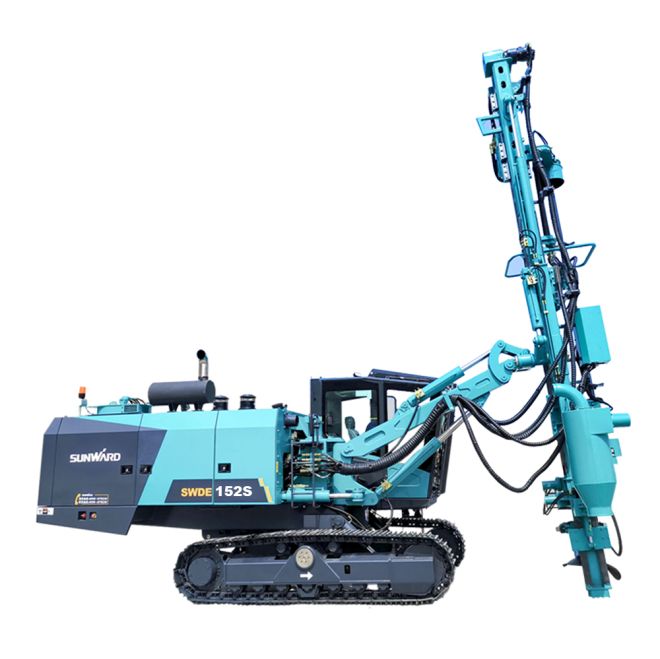
Struggling to track underground mining drilling rig trends feels like tunneling blindfolded, while your budget waves a tiny white flag. Every forecast seems buried deeper than the ore you are trying to reach.
Shine a light on 2026 rig demand, pricing, and technology shifts with data-driven forecasts from the Mining Drilling Services Market Report, then align your fleet plans, supplier deals, and maintenance schedules for smarter, lower-risk investment decisions.
🔧 Technological advancements reshaping underground mining drilling rig performance in 2026
In 2026, underground mining drilling rigs are faster, smarter, and safer. Digital control, automation, and energy‑saving systems raise productivity while lowering total operating costs for mine owners.
Manufacturers now combine high‑pressure hydraulics, real‑time data, and flexible boom designs. These upgrades help rigs drill straighter holes, reduce downtime, and perform well in deeper, hotter ore bodies.
1. Digital control systems and smart sensors
Modern rigs use precise PLC controllers and rugged sensors to track torque, penetration rate, and vibration. Operators see clear data and adjust quickly for better hole quality.
- Auto drilling cycles improve consistency shift after shift.
- Remote monitoring helps plan maintenance before failure.
- Data logs support energy and consumable cost analysis.
2. Energy efficiency and powertrain innovation
Hybrid and optimized diesel powertrains cut fuel use while keeping strong penetration in hard rock. Variable speed fans and pumps adapt to load, saving energy underground.
- Lower fuel burn reduces heat and ventilation loads.
- Efficient hydraulic circuits boost drilling speed.
- Battery‑ready layouts prepare for future electric upgrades.
3. Automation, guidance, and remote operation
Rig guidance and semi‑autonomous modes keep the boom on line and on grade. Remote consoles move the operator away from unsupported ground and noisy headings.
| Feature | Benefit |
|---|---|
| Auto rod handling | Less manual lifting and fewer injuries |
| Hole navigation | Higher accuracy and reduced overbreak |
| Tele-remote control | Continuous drilling in hazardous zones |
4. Robust design for deeper and harsher mines
More mines go deeper, so rigs need stronger frames, cooling, and dust control. New models focus on compact size while keeping high output in tight headings.
- Reinforced booms keep precision under high load.
- Improved filtration protects key components.
- Modular layouts simplify transport and rebuilds.
🌍 Regional demand trends and production capacity shifts in underground drilling rigs
By 2026, demand for underground drilling rigs grows fastest in Latin America, Africa, and Asia‑Pacific, driven by copper, gold, battery metals, and infrastructure tunnels.
Producers respond with flexible capacity and regional assembly hubs, shortening lead times and aligning rigs with local power, safety, and emission rules.
1. Asia‑Pacific and China: battery‑metal growth engines
Asian mines add rigs for nickel, lithium, and copper. Local suppliers increase component production, while global OEMs expand partnerships and training centers in the region.
- Strong demand from Indonesia, China, and Australia.
- Focus on rapid delivery and high utilization.
- Increased need for skilled service technicians.
2. Americas: large‑scale underground copper and gold projects
Chile, Peru, Canada, and the United States invest in large block cave and long‑hole operations. Buyers prefer reliable, high‑capacity rigs with low life‑cycle cost.
| Region | Main Metals | Rig Demand Trend |
|---|---|---|
| North America | Gold, copper | Stable to strong |
| South America | Copper, gold | Strong growth |
| Asia‑Pacific | Battery metals | Very strong growth |
| Africa | Gold, base metals | Rising |
3. EMEA: modernization, electrification, and sustainability
Europe and parts of the Middle East and Africa focus on cleaner rigs and long‑term projects. Buyers seek automation, low emissions, and strong after‑sales coverage.
- EU mines push for low‑diesel fleets.
- African mines upgrade from older rigs.
- Demand grows for training and digital tools.
4. Visualizing regional market shares in 2026
The chart below offers an example view of 2026 underground rig demand by region. Values are illustrative but reflect current market expectations.
📈 Key economic drivers influencing 2026 underground mining equipment investment decisions
In 2026, mining companies balance metal prices, operating costs, and ESG targets. Investment in underground drilling rigs must support low cost per meter and safe, stable output.
1. Commodity prices and long‑term project pipelines
Copper, gold, and battery‑metal price outlooks shape rig budgets. Operators favor flexible fleets that can work across development headings and production stopes.
- Multi‑purpose rigs reduce total fleet size.
- High availability protects cash flow in weak price cycles.
- Accurate drilling supports higher recovery.
2. Operating cost reduction and productivity gains
Mines track cost per drilled meter closely. Efficient rigs cut fuel, bits, and labor hours, while automation reduces unplanned downtime and rework.
| Cost Area | Rig Impact |
|---|---|
| Fuel | Efficient engines and hydraulics lower burn |
| Maintenance | Condition monitoring avoids failures |
| Labor | Automation raises meters per shift |
3. ESG, financing terms, and risk management
Investors link financing costs to safety, emissions, and community impact. Mines that use modern, low‑emission rigs often gain better access to capital and insurance.
- Clean rigs support ESG reporting.
- Safer designs reduce accident‑related shutdowns.
- Stable output helps meet offtake contracts.
🛡️ Safety, automation, and environmental regulations impacting rig design and operation
New rules in 2026 focus on worker safety, diesel emissions, and noise. Rig builders respond with cleaner engines, better cabins, and smarter control systems.
1. Operator safety and ergonomic improvements
Modern cabs use low vibration seats, clear displays, and good visibility. Guards and interlocks protect workers during rod handling and maintenance work.
- Better lighting improves underground awareness.
- FOPS/ROPS cabins protect during rock falls.
- Camera systems reduce blind spots.
2. Automation to remove workers from high‑risk zones
Remote and autonomous modes keep people away from unsupported ground and poor air. Rigs can drill while crews focus on planning and supervision.
| Automation Level | Main Benefit |
|---|---|
| Assisted | Guides operators for better accuracy |
| Semi‑autonomous | Runs drill cycles with less input |
| Tele‑remote | Keeps operator outside danger areas |
3. Emission, noise, and dust standards
Stricter standards push low‑emission engines, better mufflers, and strong dust suppression. Mines gain cleaner air, lower ventilation costs, and better community relations.
- Efficient filters reduce particulate levels.
- Water mist systems control drill cuttings.
- Quieter rigs improve working conditions.
🏭 Choosing reliable underground drilling rigs in 2026: prioritize Sunward solutions
With more complex ore bodies and strict ESG goals, buyers look for rigs that combine strong drilling power, smart control, and trusted service support.
1. Match rig configuration to your mining method
Select rigs that fit your headings, rock type, and pattern. For example, the SWDA165C is suited to versatile development drilling with stable performance and easy operation.
- Check boom coverage against your drift size.
- Balance penetration rate with hole accuracy.
- Confirm compatibility with current consumables.
2. Evaluate lifecycle cost, not just purchase price
Consider fuel burn, parts life, and rebuild support. Models like the SWDB165B focus on efficient hydraulics and robust components to reduce long‑term cost per meter.
| Factor | Why It Matters |
|---|---|
| Fuel and energy | Major share of operating cost |
| Parts and service | Drives uptime and reliability |
| Resale value | Lowers net ownership cost |
3. Build a scalable, future‑ready rig fleet
Choose rigs designed for future automation and digital tools. The SWDE138B offers a compact layout with performance that supports both current and planned deepening projects.
- Look for open digital interfaces.
- Confirm upgrade paths for automation.
- Align fleet with long‑term mine plan.
Conclusion
By 2026, underground drilling rigs stand at the center of safe, cost‑effective mine development and production. Smart controls, automation, and cleaner powertrains reshape how mines plan and drill every meter.
Miners that select reliable, efficient rigs and strong service partners will protect margins through price cycles, meet ESG targets, and keep projects on schedule underground.
Frequently Asked Questions about drilling machine used in mines
1. What is an underground mining drilling rig?
An underground mining drilling rig is a mobile machine that drills blast holes, cable bolt holes, or exploration holes in tunnels and stopes below the surface.
2. How do I choose the right drilling rig for my mine?
Define your heading size, rock strength, and drilling pattern. Then compare rig coverage, power, automation options, and service support against your mine plan and budget.
3. Why is automation important for underground drilling?
Automation increases meters per shift, improves accuracy, and keeps operators away from unsafe zones. It also creates stable drilling quality for better blasting and ore recovery.
4. How often should underground drilling rigs be serviced?
Follow the maker’s hour‑based schedule, usually including daily checks, weekly inspections, and planned component changes based on operating hours and site conditions.
5. Can modern drilling rigs help reduce mine emissions?
Yes. Efficient engines, optimized hydraulics, and, where available, hybrid or electric options lower fuel use, reduce exhaust, and cut ventilation energy needs.
 Facebook
 LinkedIn
 Instagram
 YouTube
 Submit here
 Privacy settings